
Navigating the world of Japanese credit cards can be overwhelming, especially for newcomers or those unfamiliar with application processes.
The P-one Standard Credit Card stands out in Japan for its simplicity and practical benefits, making it a potential choice for many looking to manage payments efficiently.



This guide explores how the card works, its requirements, and a step-by-step application walkthrough, all designed to help readers feel more confident and informed.
Whether you’re a resident, student, or working professional, understanding this process could save time and avoid unnecessary hassles.
What Is the P-one Standard Credit Card?
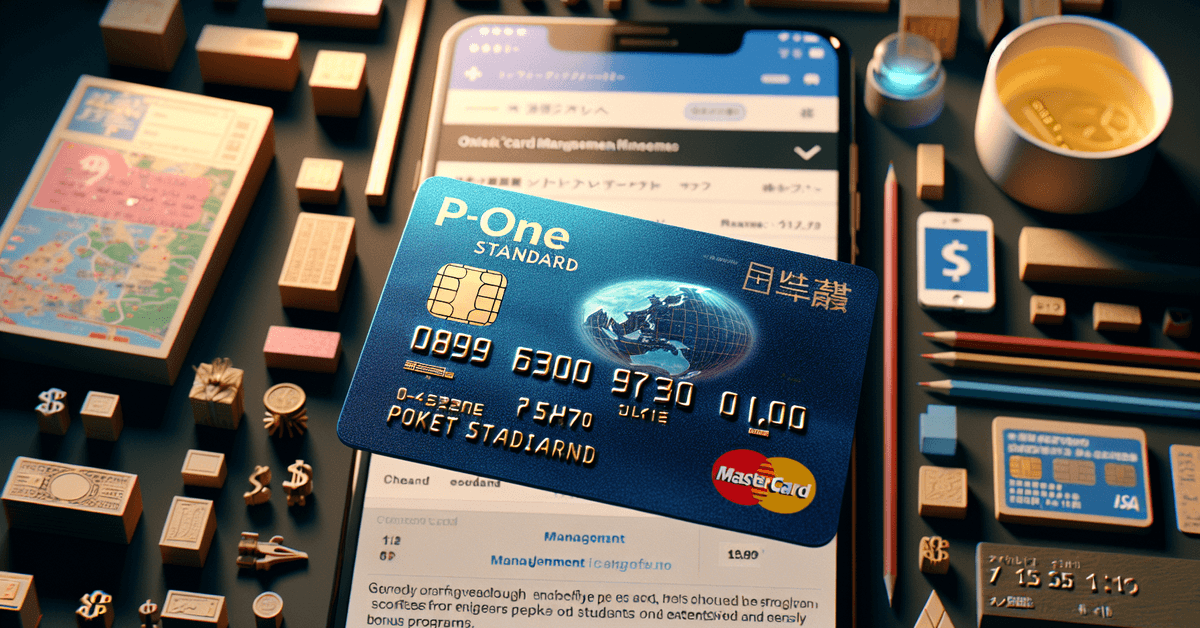
The P-one Standard Credit Card is a popular product from Pocket Card Co., Ltd., a well-established Japanese issuer. Many use this card for everyday purchases, both online and offline.
Its main draw is the automatic 1% discount on purchases, plus low annual fees, making it attractive to budget-conscious users. Although it’s not filled with luxury perks, it balances basic rewards with accessibility.
Key Features & Benefits of the P-one Standard Credit Card
- Automatic 1% Discount on nearly all purchases
- No annual fee for primary cardholders
- Easy-to-use online account management
- Acceptance at most Visa/Mastercard merchants in Japan and overseas
- Cashless convenience for travel and daily life
- Some purchase protections, though coverage is relatively limited
Perhaps what makes the card stand out, compared to others, is the simplicity. Some find the features limited, but for users who prefer less complexity, that might even be a plus.
Who Should Consider Applying?
This credit card might appeal to different groups. Many long-term foreign residents and Japanese citizens find it useful for its automatic discounts and low fees.
However, as with most Japanese cards, the application process and approval criteria can be strict and mostly aimed at those with stable income or some credit history, regardless of nationality.
- Full-time employees or contract workers
- Students (with a part-time job or stable income)
- Foreign residents (typically with at least one year remaining on their residence status)
It's worth noting that, at times, applications from first-time credit seekers or those in probationary periods may face more scrutiny. That’s not unique to this card, though; it's a general trend with many Japanese issuers.
Eligibility Requirements for the P-one Standard Credit Card
- Minimum age: usually 18 years old (students must meet specific criteria)
- Residency: Hold a valid Japanese address and phone number
- Income: Stable income source (including part-time work for students)
- Identification: Residence card (Zairyu card) and in many cases, a health insurance card
- Contact information: Email, work, and personal phone numbers
Applicants are often asked to provide detailed information about their employment, housing, and financial situation. Sometimes, the bank may call your workplace to verify employment, which is standard practice in Japan.
How to Apply for a P-one Standard Credit Card: Step-by-Step
1. Gather Necessary Documents
Prepare your residence card, personal identification documents, proof of income, and Japanese bank account information. Note that all application forms (at the time of writing) are typically in Japanese. Translation might be helpful if you aren’t fluent.
2. Complete the Online Application
The main application page is available through the official P-one Standard Credit Card website. Input personal details, employment status, address, and income. Pay attention to every field; accuracy is crucial.
3. Submit Identity Verification
Upload or send copies of required identification. Japanese banks may request additional verification, especially for foreign nationals. This can be done via the website or sometimes by mail, depending on the issuer’s latest procedures.
4. Wait for Review and Credit Check
Once submitted, the issuer will conduct a thorough evaluation. This usually takes about a week, but it can vary. Some applicants may receive follow-up calls or emails for clarification or extra documentation.
5. Card Delivery and Account Setup
If approved, the card is mailed to your registered address. Typically, activation instructions accompany the card, and you may need to complete account setup online or via telephone. This step often includes registering for web services to monitor balances and statements.
Common Issues and Tips for a Smoother Application
- Translating application materials: Many successful applicants mention that having a Japanese-speaking friend or using translation tools made the process less stressful.
- Double-check all details. Small mistakes on the form, such as mismatched name spellings, can delay approval.
- Ensure your phone is available and able to receive calls. Issuers sometimes make verification calls during business hours.
- In some rare cases, there may be additional requests regarding proof of address (like recent utility bills).
If application status stays unclear for over two weeks, consider contacting the issuer—it’s fairly normal for applicants to feel anxious during this waiting period. Perhaps it just means there are more checks being done, rather than an outright issue.
P-one Standard Credit Card vs Other Japanese Credit Cards
| Feature | P-one Standard | Typical Japanese Card |
|---|---|---|
| Automatic Discount | 1% off | Special offers only |
| Annual Fee | None | Usually ¥1,000–¥2,000 |
| Foreign User Friendly | Moderate | Varies by issuer |
| Application Language | Japanese only | Japanese mostly |
| Bonus Programs | Fewer | More/Points-based |
P-one Standard is often a basic, no-frills card. Others may offer richer rewards, but this card’s appeal is the straightforward savings—and the absence of fees.
Managing Your Card and Useful Tips
- Register for the online account portal to monitor expenses
- Set up automated payments via your Japanese bank account
- Stay mindful of spending limits, especially early on; credit limits start modestly
- For traveling abroad, notify the issuer in advance to avoid card shutdowns
It’s a good idea, too, to keep track of payment dates. Japan’s payment cycles sometimes differ from those in other countries, which can initially cause confusion.
Legal, Tax, and Security Considerations
Cardholders are liable for their own tax reporting if the card is used for business purposes. Personal usage is rarely scrutinized, but for work or freelance activities, keeping accurate transaction records may be advisable.
Regarding security, Pocket Card Co., Ltd. complies with Japanese financial standards. Most standard features—such as fraud alerts, online monitoring, and customer support—are included.
For emergencies, support is offered in Japanese by phone or through their helpdesk.
Conclusion: Is the P-one Standard Credit Card Right for You?
Choosing any credit card in Japan means weighing your needs against available features, and perhaps even accepting some small compromises.
The P-one Standard Credit Card offers reliability, simplicity, and savings for a range of users—especially if you value ease of use and minimal fees over premium perks.
Although the process can feel daunting at first, a bit of preparation and patience tends to bring good results. Maybe it’s not the flashiest card, but its practical benefits are clear.
Consider reviewing your financial needs, then explore more credit card options with our credit card comparison guide to make the most informed choice.
Note: There are risks involved when applying for and using credit. Consult the bank’s terms and conditions page for more information.