

For those who enjoy minimalist design and reliable quality, the MUJI Card Japan provides a unique way to get a little extra from everyday purchases.
It’s mostly well suited to MUJI’s loyal customer base and, perhaps surprisingly, might also offer benefits for anyone curious about a practical credit card focused on lifestyle rewards.



If you’re considering a new card, or perhaps just looking for a way to move your usual shopping into a more rewarding routine, this guide will break down what to expect.
This article should prove most helpful for shoppers in Japan who frequent MUJI or anyone interested in how branded credit cards work in the country.
While some features may seem standard, the MUJI Card actually introduces a few nuances worth knowing about before deciding whether to apply.
What Is the MUJI Card Japan?
At its core, the MUJI Card Japan is a collaboration between MUJI and one of Japan’s top credit card issuers.
It’s designed to reward loyal MUJI shoppers with points, shopping credits, and periodic perks tied specifically to MUJI stores and online shopping experiences.
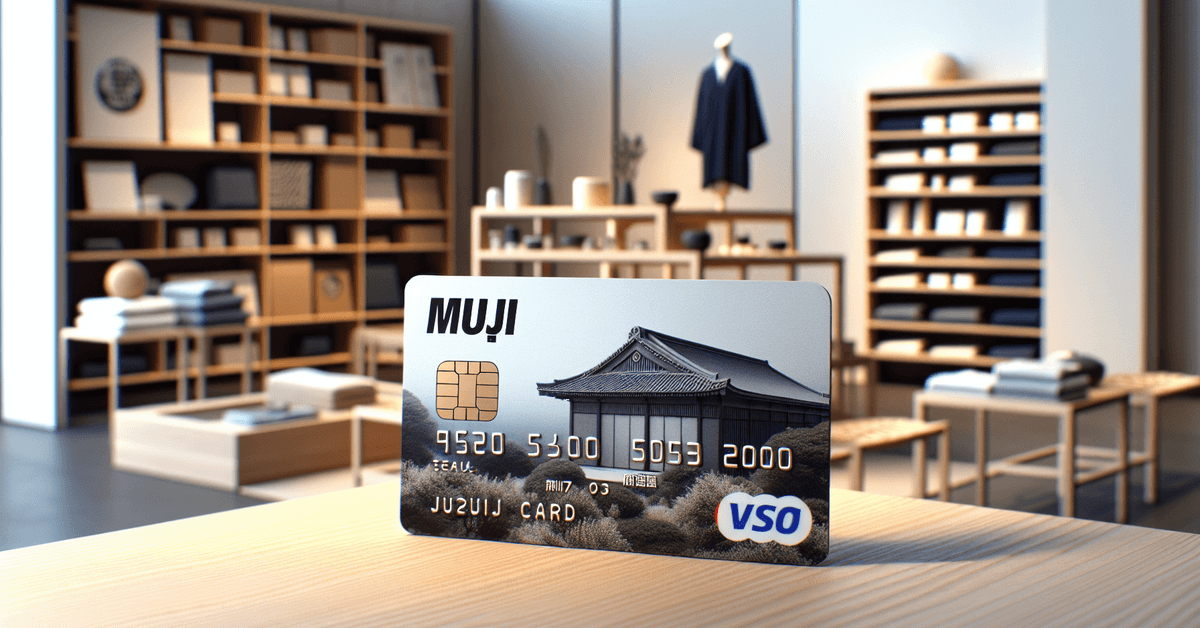
It looks sleek, with the minimalist MUJI branding, and also works as a standard credit card wherever Visa is accepted.

Key Rewards and Loyalty Perks for MUJI Cardholders
The headline benefit here centers on the MUJI shopping point system.
Rather than earning cash back, cardholders collect MUJI Points, which can be redeemed primarily for purchases at MUJI stores across Japan or online through the official MUJI website. In some cases, seasonal events or bonus point days add extra value.
MUJI Point Earnings Breakdown
- Welcome Bonus: Cardholders usually receive an initial point bonus upon signing up and first use.
- Birthday Bonus: On your birthday month, additional points are credited just for being a cardholder.
- Annual Renewal: Retaining the card for a year typically means another small point bonus.
- Everyday Spending: MUJI Points accumulate with each purchase, both at MUJI stores and with general card usage.
- Occasional Campaigns: Sometimes, special promotions let users earn double or even triple points on select items or days.
How Do MUJI Points Work?
This is where things might get a bit murky, since MUJI Points can’t be exchanged for cash but are used to offset the cost of items at checkout. For instance, if you’ve collected 1,000 MUJI Points, this typically translates to a ¥1,000 discount on eligible items.
There is sometimes a minimum redemption threshold, which could catch people off guard, so it’s a good idea to keep an eye on the terms.
MUJI Card Fees and Annual Costs
A nice feature here is that, in most cases, there isn’t an annual fee for the standard MUJI Card. However, this doesn’t always mean it’s entirely free to use.
If you let a monthly balance linger, you’ll face typical credit card interest, which, in Japan, usually sits between 13% and 18% APR. Late payment fees also apply, just as with any standard credit product.
Some enhanced versions (like premium or gold cards under the MUJI brand umbrella) may have extra features—and higher annual fees—but for most shoppers, the basic, no-annual-fee version is what’s offered.
Potential Charges to Consider
- Interest on Roll-Over Balances: Standard consumer rates apply if not paid in full.
- Foreign Transaction Fees: Using the card overseas often adds a small percentage fee per transaction.
- Replacement Card Fees: If the card is lost or stolen, there may be a reissue cost.
- Late Fees: As with most cards, late payments usually carry a penalty fee.
Who Can Apply for the MUJI Card?
Eligibility generally requires a Japanese address and, in most cases, a stable income source. International visitors to Japan or tourists usually aren’t eligible to apply.
Typically, card issuers require applicants to be over 18 years old and sometimes ask for additional verification if you’re a student or part-time worker. There is no particular need to be a lifelong MUJI fan, though the card is clearly built with them in mind.
Shopping Benefits & Cardholder Perks at MUJI
Beyond the ongoing points, there are a few extra touches for MUJI Card members . It’s not just about discounts, but also small seasonal rewards or early access alerts for popular collections.
One thing to note is the birthday or renewal point bonuses, which land in your account automatically—no special request required. Occasionally, there are member-only sales that can feel like a pleasant surprise rather than a grab for attention.
Extra Member-Only Offers
- Birthday Points credited annually to say “thanks” for your loyalty.
- Invitations to member previews of new collections or store events (mainly held at flagship MUJI stores).
- Some limited-edition products made specially for cardholders, though these aren’t frequent.
Using the MUJI Card for Everyday Spending
It’s worth stating: you can use the MUJI Card almost anywhere, as long as they accept Visa.
This means it has appeal beyond just shopping at MUJI. Standard points are likely smaller for non-MUJI transactions, but it integrates easily with most of life’s day-to-day purchases.
Some cardholders mention (maybe with a hint of surprise) that they started using it for groceries or online subscriptions simply for convenience. That said, real value still resides in MUJI-centric spending.
Everyday Purchases and MUJI Rewards
- Card works for restaurants, convenience stores, and online retailers throughout Japan and abroad.
- Points typically accumulate at a reduced rate for non-MUJI spending.
- Some periodic partnerships may boost points on categories like travel or entertainment, but these tend to be time-limited.
Possible Drawbacks to Know About
No rewards program is perfect. For the MUJI Card, the main limitation is that points can only be used at MUJI stores or online.
There isn’t the same flexibility found with some general rewards cards, especially those that allow for travel or broader cash back options. Also, card acceptance is limited to residents of Japan.
Some users have also felt that “bonus” point days aren’t always clearly communicated, so it’s easy to miss out unless you check the promotional calendar regularly.
Legal, Safety & Tax Considerations
Credit cards in Japan are, for the most part, heavily regulated. The MUJI Card follows all national consumer protection requirements, including those related to billing, dispute resolution, and privacy.
It’s worth mentioning that, for most shoppers, earning points or rewards isn’t treated as taxable income by Japanese authorities.
However, business users or anyone using MUJI for commercial purposes should consider speaking with a tax professional, as company expenses and benefits have different implications.
For anyone worried about online purchases, the card generally includes purchase protection and basic online fraud safeguards.
For example, EMV chip integration and sometimes two-factor authentication, but if you’re someone who is especially concerned about these issues, it might not hurt to review the full cardholder protections in more detail before making a decision.
Alternatives to the MUJI Card: What Are the Options?
If you aren’t committed to shopping at MUJI, there are plenty of other Japanese credit cards offering more generalized rewards or travel perks.
Cards from SMBC, Rakuten, or JCB are popular choices, each targeting different lifestyles or preferences.
But, if you’re already a regular at MUJI and like the brand’s philosophy, the dedicated card can act as a way of giving a little extra back on the purchases you’re already making.
Conclusion
MUJI Card Japan may be a practical option for regular MUJI shoppers who want simple rewards, clear fee details, and benefits that match everyday spending and store-based purchases.
Note: There are risks involved when applying for and using credit. Consult the bank’s terms and conditions page for more information.