
If you’ve ever visited Japan, or you’re planning to, you might have heard something about the Nanaco Card.
These small, handy prepaid cards offer a way to make payments at 7-Eleven and earn points that turn into real savings. Maybe you’ve seen locals just tap their cards at checkout while you’re still digging for coins.

It’s surprisingly convenient, though a bit confusing for newcomers. This article covers how the Nanaco Card works, how you can earn points, and why it’s popular for regular shoppers and visitors to Japan alike.
What Is the Nanaco Card?
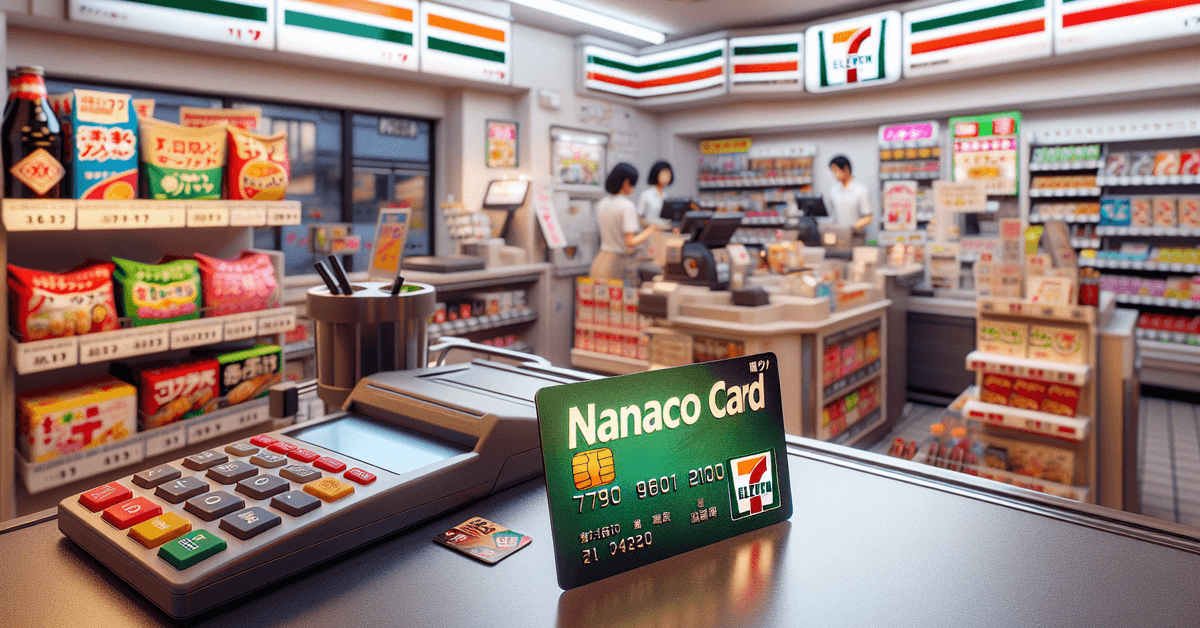
The Nanaco Card is a prepaid and point card operated by Seven & I Holdings. It’s accepted mainly at 7-Eleven stores across Japan, but also works at some other affiliated businesses.
Instead of carrying cash, cardholders simply load money onto the Nanaco Card and use it to pay for daily purchases.
Every time the card is used, users earn points, which can later be redeemed for more shopping or special offers.
This prepaid system is not unique in Japan; similar cards like Suica and PASMO also exist. Yet, Nanaco’s deep link with 7-Eleven—and its promotional perks—gives it a strong audience.
Why Use a Nanaco Card in Japan?
For many, the main draw is convenience. Having a prepaid card means less fumbling with coins or bills, which is especially nice given how much cash still changes hands in Japan.
And points add a sense of reward for everyday spending. Plus, Nanaco occasionally offers additional bonuses or campaigns.
For example, special events sometimes give users more points for shopping within certain periods. If someone is a regular at 7-Eleven, the card’s value adds up, though perhaps not instantly; rewards take a bit of time to materialize.
How Does the Nanaco Points System Work?
Each time a purchase is made with the Nanaco Card, points accumulate. Typically, the standard earning rate is 1 point per 100 yen spent, though some products don’t qualify for points (like certain cigarettes or services).
Points are worth 1 yen each when used for purchases. These rates might seem modest at first glance, but over time, especially for daily purchases like lunch, snacks, or household goods, they can build up.
Some periods or campaigns increase the earning rate, and there are also bonus-point promotions for new items or limited-time deals.
Getting Your Own Nanaco Card
Obtaining a card is straightforward, even for travelers. For most visitors, the easiest way is to pick up a card at any 7-Eleven counter in Japan. Registration can happen on-the-spot or afterward online.
The card requires a small initial issuance fee (usually 300 yen), but after that, users only add value as needed.
Foreign tourists can obtain a basic, unregistered Nanaco Card, though options like mobile Nanaco and linked credit cards generally require a Japanese address and local phone number.
For curious shoppers, this initial step might feel a bit intimidating, but staff are generally helpful and used to assisting foreigners.
How to Charge and Use Your Nanaco Card
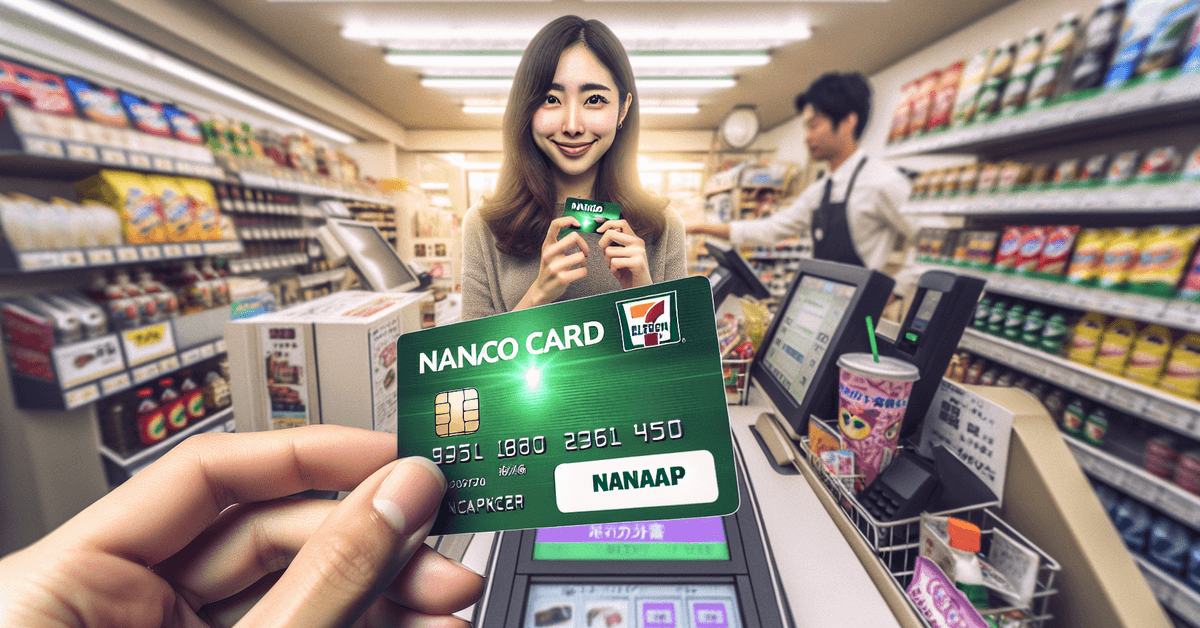
Reloading (or "charging") is simple. Cards can be topped up at 7-Eleven registers, some Seven Bank ATMs, or through official machines within stores.
The minimum recharge amount is typically 1,000 yen, going up to a limit (usually 50,000 yen).
Then, at checkout, just tap the card on the reader, and the amount is deducted from your balance—points are automatically recorded. If you’re wondering about acceptance, almost every 7-Eleven nationwide accepts the Nanaco Card.
Some partner retailers do too, though not all, and there’s a full list available on the official Nanaco website (JP).
Mobile Nanaco: More Than Just Physical Cards
Japan’s mobile landscape is advanced, and Nanaco fits right in. The Mobile Nanaco app lets users store, top up, and use a digital version of their Nanaco Card right from a smartphone (Android only; iOS support is currently limited).
The main benefit here is having everything in one device: points, balance info, and even promo updates.
For now, registration and use typically require a Japanese network and address, which makes this a great option for residents but less so for most tourists. Still, if you plan to stay for longer, it’s convenient to have a virtual wallet at your fingertips.
Where Can You Use Nanaco?
Though primarily designed for 7-Eleven, the Nanaco Card is accepted in a surprising number of other locations.
Participating stores include Ito-Yokado, Denny’s Japan, Loft, and Autorace, though availability varies by location and region.
For tourists, 7-Eleven remains the most reliable spot to use up your balance before leaving Japan. A complete shop list is maintained on Nanaco’s official site for anyone feeling curious or meticulous about their options.
Comparing Nanaco to Other Japanese E-Money Cards
Japan seems obsessed with prepaid cards. Suica and PASMO cards, for instance, are essential for train travel and also work in convenience stores.
The Nanaco Card , by contrast, isn’t designed for transport, but focuses on shopping rewards and partnerships, making it an add-on rather than a replacement for transit cards.
If you’re planning to split spending between shopping and getting around, carrying more than one prepaid card is normal. Perhaps it’s a little confusing, but locals do it too. If you want to see a more detailed comparison, here's a quick overview:
| Card | Main Use | Works at 7-Eleven? | Rewards/Points |
|---|---|---|---|
| Nanaco | Shopping (7-Eleven/affiliates) | Yes | Yes |
| Suica | Transit + shopping | Yes | No/Very limited |
| PASMO | Transit + shopping | Yes | No/Very limited |
| WAON | Shopping (Aeon/affiliates) | No | Yes |
Maximizing Your Nanaco Points and Benefits
Loyal Nanaco users know that occasional promotions can boost point earnings. For new products, limited-time deals, or seasonal campaigns, bonus points may be available. 7-Eleven’s app and flyers often highlight these offers.
Signing up for a Nanaco account (instead of remaining anonymous) enables online checking of points and usage history, making it much easier to replace or reissue cards.
Some users try to time big purchases to coincide with campaigns—though this probably won’t suit everyone. Still, a little planning can go a long way for regular 7-Eleven shoppers.
Are There Any Pitfalls, Fees, or Limitations?
No system is perfect. It’s worth mentioning that the Nanaco Card has an issuance fee (typically 300 yen), and unregistered cards don’t have protections for loss or theft.
Loaded balances cannot be refunded, so careful recharging is smart—especially for short-term visitors.
Also, points expire after a certain period (about two years from when they’re earned), though most shoppers won’t notice unless they forget about their card entirely. It’s not a major risk, just a minor detail sometimes overlooked.
Security and Privacy: Is Nanaco Safe?
Nanaco operates within Japan’s robust electronic money regulations. Personal data is required for registered users, though card use itself doesn’t involve sharing much sensitive information.
Those with privacy concerns can stick to unregistered cards, though that limits recovery options.
For everyday use, the risk profile is comparable to other non-personalized prepaid cards. If lost, only the stored balance is at risk—there’s little personal information attached that can be misused.
Legal and Tax Implications for Foreign Users
For most tourists, tax issues remain minimal. As Nanaco is a prepaid card, purchases are already taxed at the retail level.
However, for those staying in Japan longer or using the card for larger business purposes, there could be accounting considerations. The card cannot be topped up using overseas credit cards, only domestic payment options.
This restriction may surprise some visitors, but it also helps prevent fraud. More information is available through 7-Eleven Japan’s official page and by checking local privacy and tax regulations.
In summary, Is the Nanaco Card Worth It?
For anyone who shops regularly at 7-Eleven in Japan, the Nanaco Card can be a practical way to streamline payment and earn modest rewards. Occasional travelers might find the prepaid convenience appealing, especially given how widespread 7-Eleven outlets are across Japan.
There may be a small learning curve and a few minor fees, but overall, it fits seamlessly into everyday Japanese life.
For those who plan ahead, the small perks like seasonal point bonuses can be a nice touch on top of daily convenience. For more on flexible, money-saving travel options, check out our in-depth guide to Japan’s payment systems.
For more practical money tips for travelers and locals in Japan, consider reading our article on how to make the most of your yen abroad.