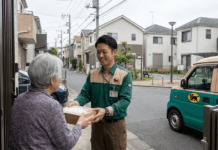

Warehouse jobs in Japan have become popular among both locals and foreign residents, especially those seeking reliable income and career stability.
This guide explores the opportunities, requirements, and realities of working with industry leaders like Amazon and other logistics firms.



Whether you’re new to Japan or considering a career shift, discovering the specifics of warehouse employment can help you find a role that fits your skills and goals.
For whom is this article intended? It’s useful for job seekers interested in logistics, expatriates searching for workable visa options, and anyone curious about the English-friendly side of Japan’s bustling warehouse industry.
Those motivated by the chance to earn steady pay in a supportive work environment may find the most benefit.
Why Warehouse Jobs in Japan Offer Opportunity and Stability
Warehousing is one of Japan’s most robust sectors, especially as e-commerce expands each year. Demand for warehouse staff is steadily rising, not only in mega-cities like Tokyo, Osaka, and Nagoya but also in growing suburbs and smaller regional centers.
With consistent hiring, warehouse jobs offer a level of economic security that appeals to many people nowadays.
Increasing Demand for Warehouse Staff
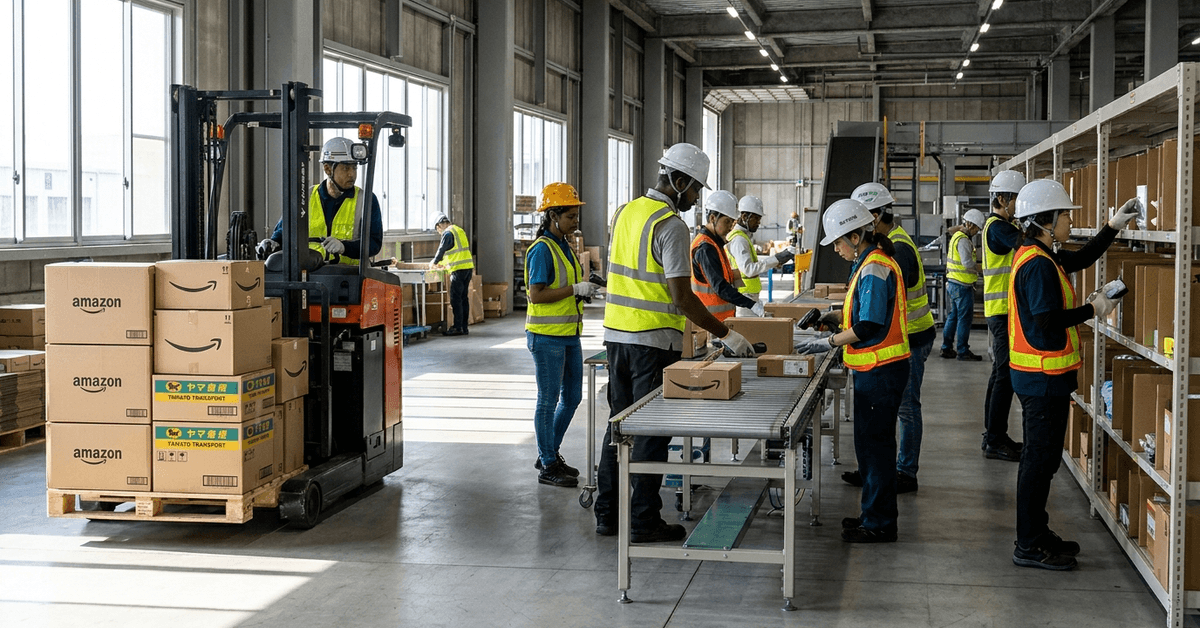
Japan’s logistics industry supports vast domestic and global supply chains. From Amazon fulfillment centers to local delivery networks, the need for reliable workers is constant.
There’s rarely a shortage of positions; turnover can be high, but entry-level roles are constantly refilled. Sometimes that’s encouraging, sometimes it’s a signal to ask why—that said, plenty of people seem to last years and find the work suits their temperament.
Accessible to English and Japanese Speakers
While most postings favor Japanese skills, many international companies (especially Amazon) regularly seek English-speaking staff. Job ads might state "no Japanese required" or offer support for beginners in the language.
It’s true, however, that learning some workplace Japanese—at least for safety and basic communication—tends to boost job security and comfort.
Stable Shifts and Competitive Pay
Warehouse jobs typically provide shift-based work, appealing to those who value a set routine or night-shift flexibility. Full-time and part-time contracts are common.
Many employers—including Amazon—offer overtime, bonuses for peak seasons, and annual pay reviews based on performance. Payscale can vary, but reliable attendance often counts more than high-level experience.
Types of Warehouse Jobs Available in Japan
Warehouse jobs can differ widely, depending on the company size, products handled, and location.
Knowing your preferences can help in choosing the best match for your situation—even a seemingly minor detail like shift times can make a big difference for some people.
Picking and Packing Roles
Most entry-level openings are for ‘pickers’ and ‘packers’. These employees select products from shelves, sort orders, and prepare parcels for shipping.
It’s physical work, but most firms emphasize safety and provide training on handling, walking, and lifting. There are targets (perhaps sometimes too tightly enforced), but overall, the routine can feel meditative to some people.
Inventory and Stock Control
Some jobs focus on checking stock levels, updating records, and managing the flow of goods in and out.
These roles may require basic computer or tablet skills, and sometimes a higher level of Japanese depending on the employer’s setup. For those with an interest in logistics, inventory jobs can be a stepping-stone to supervisory responsibility later.
Machine and Forklift Operation
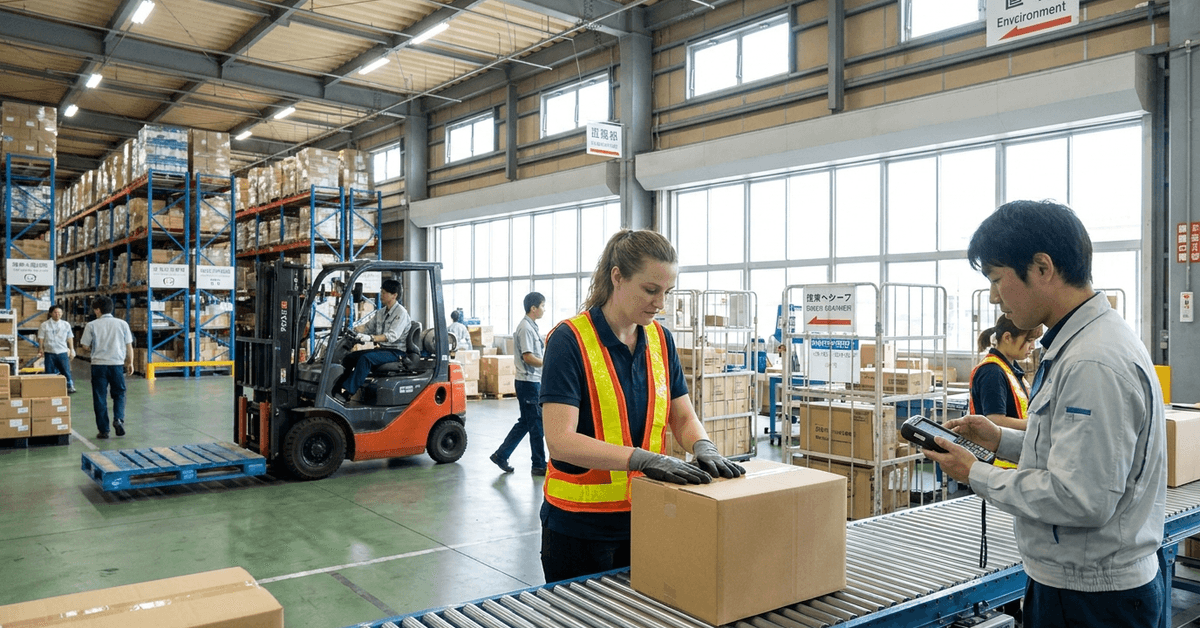
Licensed forklift drivers and machine operators are in demand at larger logistics hubs. Foreign residents sometimes qualify, if they can show a valid Japanese license or go through local certification.
The pay is usually above average, acknowledging the higher skill and risk levels—but there’s often a learning curve for safety protocols and documentation.
Major Employers – Amazon Japan and Leading Logistics Companies
Japan’s warehouse sector features a mixture of global giants and homegrown firms. Amazon Japan remains a top option for English speakers, but several other employers create a diverse labor market.
Amazon Japan
Operating multiple fulfillment centers across Japan, Amazon is known for its structured onboarding and support for foreign staff. Positions include picking, packing, robotics support, and building maintenance roles.
The work is often fast-paced but quite organized. Full-time, part-time, and even seasonal contracts appear throughout the year. For applicants who appreciate detailed processes and international company culture, Amazon is frequently suggested.
Yamato Transport
As one of Japan’s best-known logistics companies, Yamato (Kuroneko) employs thousands in warehousing, sorting, and last-mile delivery roles.
While most jobs require conversational Japanese, Yamato is occasionally open to non-Japanese speakers in team-based tasks or in areas with staff shortages.
Sagawa Express and Nippon Express
These firms are essential players in the country’s shipping and industrial logistics network. Especially near Tokyo Bay or Kansai area ports, demand for warehouse staff spikes seasonally.
Language barriers can be tougher here, but job ads sometimes specify "international applicant welcome" or “language not required.”
How to Find and Apply for Warehouse Jobs in Japan
Applying for warehouse and logistics jobs in Japan needn’t be complicated. Most positions follow a similar process, and support is increasingly available for foreign job seekers.
Where to Search for Openings
- Official company career pages (e.g. Amazon Japan Careers)
- Job boards such as GaijinPot Jobs and Daijob
- Major Japanese recruitment sites like Rikunabi or TownWork (note: mostly in Japanese)
- Staffing agencies specializing in logistics, e.g. UT Group or Fullcast
Application Tips and Documents
- Update your resume (English and Japanese if possible)
- Prepare a simple, honest cover letter explaining work status and motivation
- Have “zairyu” (residence) card and current visa type details ready
- If required, prepare a recent photo (passport style)
- Respond to company-initiated communication promptly; most hiring teams value quick replies
Typical Hiring Process
After submitting an application, employers may invite candidates for a short online or in-person interview.
The process is usually straightforward. Some places only ask a handful of basic questions; others might ask about past teamwork or how you’d handle repetitive tasks.
In some cases, a simple onsite trial or paid training may be part of onboarding, especially where safety is a concern.
Requirements and Eligibility – Work Visas, Language, and Health
It’s not always easy to untangle Japanese hiring requirements, but most warehouse jobs are surprisingly accessible as long as you meet a few core conditions.
Visas and Legal Status
Warehouse work is typically open to those with a work visa, student visa (with permit), spousal visa, or permanent residency.
Visa sponsorship is rare for unskilled positions, but some firms—particularly those under labor shortages—may show more flexibility post-pandemic.
Language Skills and Communication
A handful of warehouses have bilingual environments. Still, basic workplace Japanese usually helps, both for following instructions safely and for understanding emergency procedures. Some employers offer in-house support or buddy systems for foreign hires.
Physical Fitness and Health Requirements
Expect to work on your feet, handle packages, and occasionally lift moderate weights. Health screenings are common before contracts are signed.
While the tasks may sound demanding, most warehouses break shifts up into manageable batches and provide ergonomic equipment to reduce injury risk.
Advancement and Long-Term Prospects in Japanese Warehousing
Some people see warehouse jobs as short-term solutions; others build entire careers. Frequently, diligence, punctuality, and reliability matter more than prior experience.
Overtime, skilled workers might move into supervisory roles or specialized technical positions such as conveyor maintenance or logistics planning. Additional training or certifications—like a forklift license—might open up extra earning potential.
Opportunities to Advance
Promotion often follows a transparent path: reliable performance unlocks more responsibility, which translates into higher hourly rates or fixed salaries.
Amazon and a few others even offer internal language and management programs for those eyeing office-based or admin tracks.
Practical Tips for Success in Japanese Warehousing
Succeeding in a Japanese warehouse involves more than just showing up. Even small tricks can help reduce stress, boost efficiency, and make the experience more rewarding.
- Stay hydrated and take short breaks when allowed; it’s easy to underestimate physical fatigue.
- Set aside a comfortable pair of shoes—hard floors can take a toll during long shifts.
- Try talking with veteran coworkers; many are willing to share time-saving routines or cultural insights, even if the conversation is basic.
- Consider basic Japanese phrases for common workplace situations; it makes communication smoother and shows effort.
- Keep all legal documents in order, including contracts and insurance papers, for your own reference.
Conclusion
Warehouse jobs in Japan can offer stable work for both English and Japanese speakers, especially in Amazon and major logistics companies with high demand for reliable staff.
The best approach is to check language needs, shift schedules, physical requirements, and application steps before applying. With preparation and consistency, these roles can become a practical path to steady employment.