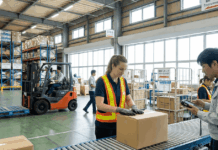

Warehouse jobs in Japan have become an essential part of the country’s logistics and supply chain sectors. With consistent growth in e-commerce and retail, roles like packing and sorting remain in high demand across many Japanese cities.
This guide will help job seekers understand what to expect if they’re considering entry into the field. It’s especially relevant for people seeking stable, practical work opportunities in Japan that don’t necessarily require advanced language skills or specialized degrees.

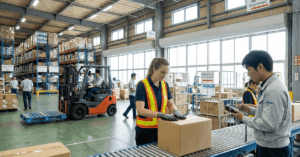
Whether someone is a local seeking steady employment or an international resident evaluating job options, exploring warehouse jobs offers insight into a steadily growing area of work.
The flexibility and accessibility of these positions can provide a reliable source of income for various backgrounds.
Why Warehouse Jobs Are a Viable Career Path in Japan
The Japanese logistics sector continues to expand due to changes in consumer behavior and retail business models.
Many companies invest in modern warehouses, creating a ongoing need for workers in packing and sorting roles. This makes warehouse work a relatively secure field, at least for the foreseeable future.
Consistent Job Openings
Warehouses in Japan are almost always recruiting staff because order volume changes daily. Seasonal peaks during holidays can increase working opportunities, offering flexibility in schedules for many part-time and contract workers.
Low Entry Barriers
Positions in packing and sorting usually require little previous experience. Most employers focus more on reliability and attention to detail than on formal qualifications, so almost anyone can try this career path.
Inclusivity for Non-Native Speakers
Warehouse work is one of the few sectors in Japan where basic Japanese is often sufficient. Many companies commonly employ both locals and foreigners, fostering a mixed workforce environment that values teamwork.
Key Responsibilities in Packing and Sorting Roles
While it might sound simple, packing and sorting come with their own set of tasks and responsibilities. Understanding these can help set realistic expectations from the start.
Receiving and Inspecting Goods
Workers inspect inbound shipments for damage or discrepancies, ensuring inventory accuracy. Mistakes can be caught early at this vital first step, which helps maintain the efficiency of the whole warehouse process.
Packing Orders
This involves selecting items based on customer orders, securing products with proper packaging materials, and labeling boxes for shipping. The ability to work quickly, without sacrificing quality, is highly valued in this stage.
Sorting and Organizing
Since most warehouses handle thousands of products daily, sorting roles require methodical work habits. Items are grouped by category, size, or shipping destination, which helps reduce shipping errors and delays.
Quality Assurance
It’s not unusual for employees to double-check outgoing shipments, confirm barcodes, and look for packing mistakes. This constant attention to accuracy ensures customer satisfaction and reduces business losses.
Skills and Qualities Employers Value in Warehouse Workers
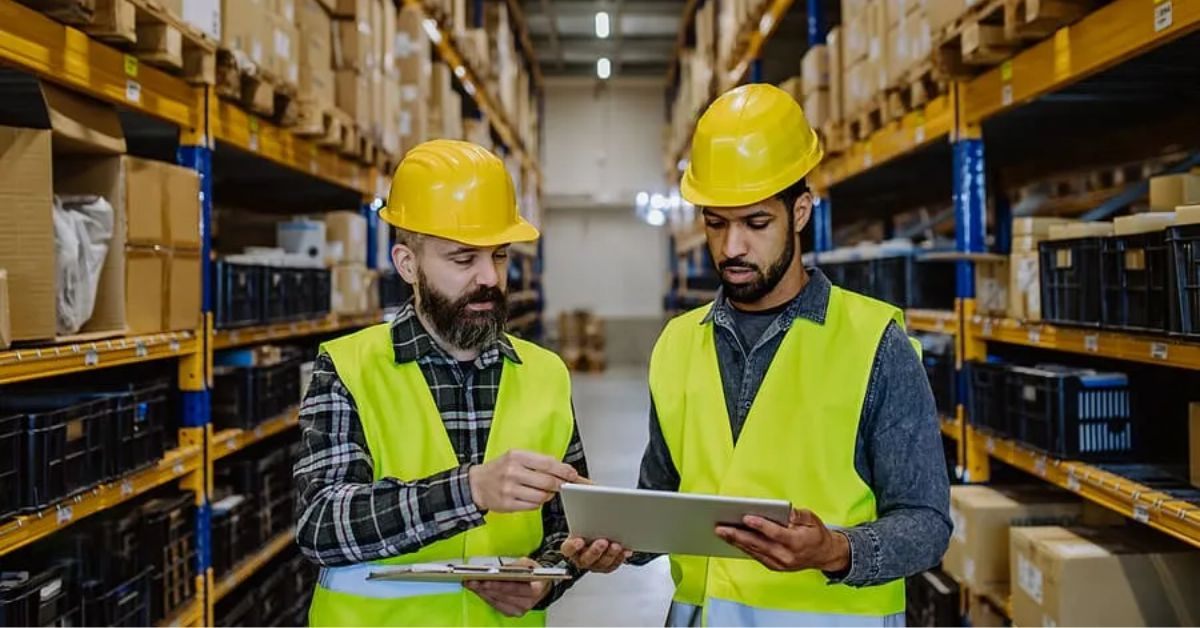
Employers look for several core strengths when hiring for warehouse jobs in Japan. These attributes can sometimes weigh more than prior experience or education.
Reliability
Dependable attendance and punctuality are critical because warehouse operations can be time-sensitive. Skipped shifts or habitual lateness may lead to workflow disruptions, or cause teams to miss output goals.
Attention to Detail
Even small errors in packing or sorting can result in lost revenue for businesses, so meticulous work is always appreciated. Carefully cross-checking items, quantities, and labels reduces costly rework later.
Physical Stamina
Some warehouse roles require standing for long periods, lifting packages, or moving carts. Regular breaks help manage fatigue, but some basic level of physical fitness is usually expected on the job.
Teamwork and Communication
Despite sometimes quiet environments, effective communication is needed to coordinate workflows. Many companies also implement simple task management apps or hand-held barcode scanners, so willingness to learn new tools can be beneficial.
Popular Cities for Warehouse Jobs in Japan
Warehouse jobs are most concentrated in urban and suburban areas with major logistics centers. Below, some key cities are briefly outlined for their relevance in the industry.
Tokyo
As Japan’s economic hub, Tokyo remains home to some of the largest warehouses. Expect high job turnover due to shifting workforce needs and growth in local e-commerce.
Osaka
The Kansai region, with Osaka at its heart, hosts a robust industrial sector. Warehousing firms in this area often support electronics, apparel, and online retail brands.
Nagoya
Nagoya is known for automotive industry logistics, but general merchandise warehouses are also common. The area consistently posts new job ads in warehouse roles throughout the year.
How to Apply for Packing and Sorting Roles
Getting started with warehouse jobs in Japan can be relatively straightforward, although small hurdles exist. Knowing the common application paths may simplify the process, particularly for newcomers.
Online Job Portals
Many companies post openings for warehouse packers and sorters on both English and Japanese-language job boards. Renowned sites include Indeed Japan. These platforms regularly update listings and often provide salary estimates.
Dispatch Companies and Agencies
Temporary staffing agencies play a significant role in Japan’s labor market, especially for entry-level jobs. They help match candidates with open packing and sorting positions, sometimes even handling paperwork for working visas.
Direct Applications
Large warehouse companies and retailers occasionally accept direct applications through their official recruitment websites. Reviewing a company’s career page before applying—if public—is always an option.
Requirements and Necessary Documents
Most warehouse roles require little more than proof of eligibility to work in Japan. Documents may vary based on citizenship or visa status.
For Japanese Citizens and Residents
Valid ID, basic work history, and occasionally a simple written resume (in Japanese format) are typically requested. Interviews are usually straightforward and focus on behavioral qualities.
For Foreign Applicants
Documentation may include a valid residence card and, when needed, a valid work visa. Fluency in Japanese isn’t always mandatory but helps during in-person interviews or safety briefings.
Wages and Work Conditions
Hourly pay can differ depending on geography, shift timing (day vs. night), employer size, and the type of warehouse products handled. Jobs in larger cities tend to offer slightly higher wages, reflecting higher living costs.
Average Hourly Wages
As of 2024, average pay rates for packing and sorting roles are around ¥1,100–¥1,300 per hour in urban areas. Night shifts or overtime usually qualify for premium rates under Japanese labor law.
Typical Work Environment
Most modern warehouses in Japan emphasize clean, orderly, and safe environments. Onboarding includes safety orientations and supervised practice.
Legal and Tax Considerations for Warehouse Workers
Compliance is central when working in Japan, so understanding legal requirements and tax obligations will help prevent complications later on. Employment contracts will contain concise details about rights, duties, and wages.
Work Visas and Status
Non-citizens must ensure their visa permits work in manual roles. Unauthorized employment can risk future residency status, so verifying visa details with the Japanese immigration office is always prudent.
Health Insurance and Social Security
Employees working regular shifts are typically enrolled by their employer in national health insurance and pension plans. Short-term or part-time staff may need to self-enroll or opt for alternative plans.
Income Tax and Withholding
Japanese employers deduct income tax at the source. At year’s end, warehouse workers submit a kakutei shinkoku declaration, especially if working multiple part-time jobs or earning above a certain threshold.
Tips for Succeeding in Packing & Sorting Jobs
There are small habits and approaches that can gradually improve performance and job satisfaction in warehouse roles. While not everyone enjoys repetitive work, some people do find comfort in routine and clear targets.
Embrace Continuous Learning
Warehouses are adopting more automation, so staying open to new technology or workflow changes will remain useful as the field evolves.
Maintain a Healthy Routine
Taking short breaks and stretching during shifts helps prevent repetitive stress injuries and keeps focus sharp. Some companies offer simple wellness support or safety reminders, too.
Build Good Relationships
Friendly interactions with colleagues—not always easy, admittedly—can make long shifts less taxing. Even a brief chat occasionally fosters a more pleasant environment.
Resources and Where to Learn More
For those seeking extra information, several official sources and job boards can help. The Japanese Law Translation site provides translated labor laws, which can be valuable for international employees looking to clarify their rights and obligations.
Meanwhile, organizations like Hello Work—a Japanese government-run employment agency—also provide guidance for those navigating job changes or seeking better job security over time.
Conclusion and Key Takeaways for Warehouse Job Seekers
Warehouse jobs in Japan, particularly in packing and sorting, provide a stable and accessible work option for many people, both local and international.
Growth in logistics means demand is unlikely to disappear soon, and the low entry barrier makes these roles appealing for early-career or transitioning workers.
While challenges exist—such as repetitive workflows, standing for hours, or adjusting to team schedules—most people find that the job offers immediate income and a straightforward entry into Japan’s workforce.
For those who value reliability, teamwork, and clear routines, packing and sorting roles can be genuinely rewarding.
Finally, always checking official guidelines, keeping documentation current, and remaining open to learning new skills are sensible strategies for anyone considering or already working in this field.
As the logistics sector continues evolving, new opportunities will likely emerge and make warehouse jobs even more dynamic to explore.