
Navigating daily life in Japan often means adapting to payment methods that might feel unfamiliar. For foreigners, especially those without a local bank account, simple purchases can become tricky.
MobalPay offers a useful solution—a prepaid card designed for easy payments throughout Japan. But how does it really work, who is it for, and what should you consider before signing up?

![Orico Card Application Guide: Step-by-Step Process, Requirements, and Insider Tips [2024]](https://hashimoney.com/wp-content/uploads/2026/03/268f4cbe3aefbb977f59158f972d92ac_content_img_521649057512-3-300x157.png)
Understanding MobalPay: What Sets It Apart?
Japan’s payment landscape has shifted in recent years, but cash and prepaid cards remain widely used.
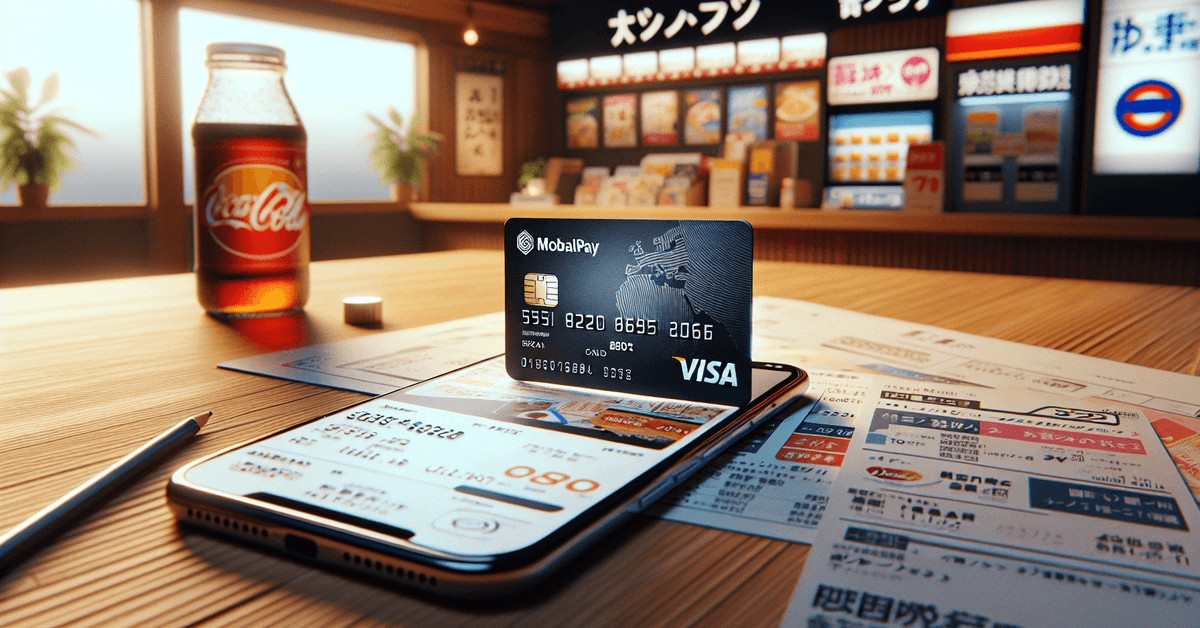
MobalPay helps bridge the gap for residents, students, travelers, and anyone without a Japanese bank account. The card is reloadable and operates on the Visa network, unlocking both in-store and online payments.
While it isn’t quite the same as a local debit card, it offers genuine flexibility where many international cards might fail.
Who Benefits Most from a MobalPay Card?
If you’re relocating, studying, or planning an extended visit, the MobalPay Card can simplify everyday transactions.
It caters to people who may not qualify for traditional credit cards, new arrivals without proof of employment, and tourists seeking budgeting control and easy reloading.
For some, there’s comfort in knowing your card won’t unexpectedly fail in convenience stores or train stations. Admittedly, it may not be perfect for every situation. But for many, it’s a practical choice.

How to Get Your MobalPay Card: Step-by-Step Guide
The process for obtaining a MobalPay Card is fairly straightforward. While there may not be a universal approach that fits every user, here’s a typical pathway.
Check Eligibility
Most non-residents and new arrivals can apply. Requirements generally include a passport, a Japanese address, and perhaps a supporting document like a residence card. Tourists on short stays may need to look for alternative cards.
Application Process
- Visit the official MobalPay website.
- Fill out the application form—basic personal information, address, ID details.
- Submit a scanned passport and residence card if prompted.
- Choose your delivery address within Japan. Hotels, hostels, or reliable forwarding services are often accepted.
- Pay any issuance fee if applicable (usually clear on the site).
Processing commonly takes a few days. There’s some variability; holidays and busy periods might slow things down. You might get an email notification or tracking number once your card is shipped.
Card Activation
Upon arrival, simply follow the instructions. These usually involve logging into your online account and entering details printed on the card mailer. Funds can be added immediately after.
Loading Your Card: Methods and Considerations
Loading your MobalPay card is often a major reason people choose it. Generally, there are multiple reloading channels, including:
- Bank Transfer – From a Japanese account, but some international options may exist.
- Convenience Stores – Pay cash at locations like 7-Eleven or Lawson.
- Online Banking – Occasionally supported via certain remittance services.
In practice, convenience store loading is popular. It’s familiar, doesn’t require a large balance, and feels secure.
Some users have found bank transfers from foreign accounts a bit unpredictable—maybe due to timing, fees, or unclear instructions. Having several options reduces stress, especially if you’re still setting up other financial basics in Japan.
Where and How Can You Use MobalPay?
The card works at most merchants that accept Visa, including supermarkets, restaurants, vending machines, and online shops. Its reach makes it ideal for daily life—think train tickets, groceries, or popular e-commerce platforms.
However, not every small business takes cards, and sometimes, unmanned terminals reject prepaid types. You might find yourself juggling cash and your MobalPay card at first. But over time, the list of compatible places is expanding.
Fees, Limits, and Safety Features
No financial product comes without some caveats. The MobalPay Card generally includes an issuance fee and possibly a monthly maintenance charge.
Reloading, especially at convenience stores, might also incur small costs. There are maximum balance limits, often around ¥1,000,000, and daily spending caps—this protects users and keeps the card in compliance with anti-money laundering regulations.
If your card is lost or stolen, immediate online deactivation is possible. This is reassuring, but recovery times (and potential replacement costs) may vary.
It’s wise to monitor your account regularly through the provided web portal or mobile app, just as you would with any debit card.
Comparing MobalPay with Other Prepaid Solutions
Is MobalPay always the best fit? Not necessarily. Japan offers several prepaid options. Here’s a quick comparison:
| Feature | MobalPay | Suica | LINE Pay Card |
|---|---|---|---|
| Visa Acceptance | Yes | No | Yes |
| Application Abroad | Yes | No | No |
| Cash Reload | Yes | Yes | Yes |
| International Use | No | No | Often, Yes |
| Online Application | Yes | Third-Party Only | Yes |
If you’re still uncertain, it could be helpful to read our in-depth guide on prepaid cards for foreigners in Japan (internal link suggestion), comparing products by typical user needs.
Common Issues and Helpful Tips
While MobalPay is generally reliable, a few frustrations crop up. Slow postal delivery, errors in ID document uploads, or confusion over transaction limits have occasionally been reported.
Address concerns before applying; a valid, easily accessible delivery point is crucial.A tip: Maintain a spreadsheet or note with your card transaction history, especially if you’re using several payment tools in Japan.
This helps avoid accidental overspending or reload errors. And, if unsure about a transaction or platform, consult the official support page for timely information.
Privacy, Security, and Compliance
MobalPay follows Japanese financial industry standards for privacy and security. User data is encrypted, and transactions are monitored for fraudulent activity.
When using any financial tool in Japan, it’s best to keep your documentation up to date, as periodic verification can be required.
You might find that privacy and compliance rules occasionally cause delays, particularly if you move or change your details frequently. While this isn’t unique to MobalPay, being prepared can reduce stress.
Conclusion: Is MobalPay the Right Move?
For anyone new to Japan—students, workers, or digital nomads—the MobalPay Card reduces many payment hassles. It offers broad acceptance, relative simplicity, and peace of mind, especially in the early weeks after arrival.
It isn’t always perfect, and sometimes you might wish for a traditional debit card. Yet for reliability, flexibility, and practicality, it’s a tool worth considering for manageable and secure spending.