
Considering an Orico Card but feeling a bit uncertain about how the application process works in Japan?
That’s understandable. Navigating financial products in a foreign or unfamiliar system can seem overwhelming, especially if you’re new to Japanese banking or just starting to explore your options.


This step-by-step guide aims to demystify the process and provide clarity for anyone—whether you’re a resident, an expat, or perhaps just someone interested in Japanese credit cards for travel or study.
What Is the Orico Card?
The Orico Card , offered by Orient Corporation, is a popular credit card brand in Japan. Orico cards are known for their broad acceptance both online and in stores nationwide.
In recent years, they've gained popularity with international users due to their user-friendly features and flexible payment plans. That said, understanding the requirements and what you gain from approval can help you decide if it fits your financial needs.
Why Consider Applying for an Orico Card?
Maybe you’re wondering why so many choose Orico over other options like Rakuten or JCB. Orico's suite stands out for a few simple reasons.
There’s the reliability of a well-known issuer, the potential for strong rewards, and support for overseas use—though not every model has this feature.
Plus, the application process tends to be relatively straightforward compared to some other Japanese credit cards.
Everyday Convenience
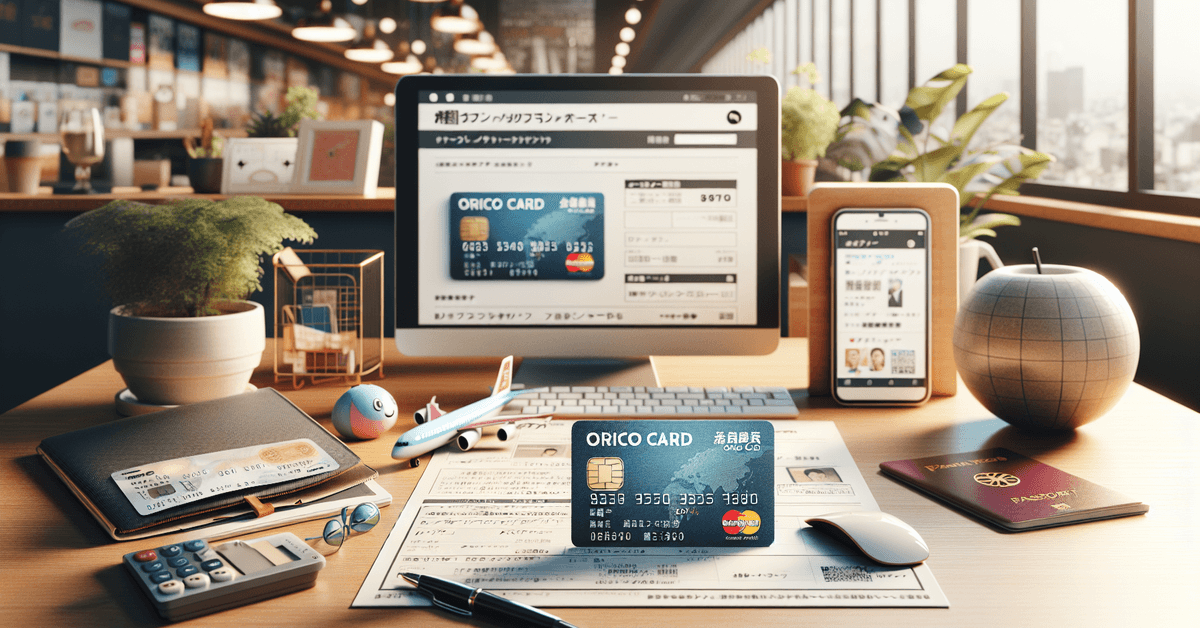
Whether you’re paying for groceries, shopping online, or commuting on public transport, an Orico Card can blend seamlessly into everyday life in Japan.
Many users appreciate the ability to use their Orico Card for small purchases and even mobile payments, adding extra convenience—and sometimes peace of mind.
Reward Points System
Frequent users often cite the Orico ‘Thank You’ point system. Points are collected on everyday spending and can be redeemed for a range of goods, vouchers, and sometimes even airline miles.
While the rate might occasionally feel just average, the redemption options do tend to be broader than with store-branded cards.

Eligibility: Who Can Apply?
So, who is actually eligible for an Orico Card? In Japan, eligibility criteria for credit cards are more structured than in some other countries, so perhaps it’s worth breaking it down:
- Age: Applicants are generally required to be at least 18 years old. However, those under 20 may need a guarantor or parental consent.
- Residency Status: While Japanese citizens are eligible, many cards are also open to foreign residents with a valid status of residence and proof of address.
- Income: Some Orico Cards have minimum income requirements. For students and part-time workers, student or basic cards may be more accessible.
- Credit History: Like elsewhere, having a clean credit record in Japan increases the likelihood of approval. New arrivals may face more scrutiny or need supplementary information.
Maybe you’re not exactly sure if you meet all the standards. That’s quite common, especially if you’re still new to Japanese financial systems. Sometimes it helps to review each requirement closely and even try a pre-qualification check if available.
Documents and Information Needed
The documentation required for a typical Orico Card application is straightforward, yet gathering it ahead of time can help avoid delays or frustration later. Applicants are usually expected to prepare the following:
- Identification: Passport, residence card (在留カード), or MyNumber card
- Proof of Residence: Utility bill, juminhyo (住民票, residence certificate), or rental contract
- Proof of Income: Salary slip, tax statement, or student ID for some student cards
- Bank Account Information: Details for the Japanese bank account to be used for repayments
It’s not uncommon to feel nervous if any document seems unclear, especially for non-Japanese speakers. Double-checking translation or using official language support services can sometimes help clarify things.
Step-by-Step: How to Apply for the Orico Card
Navigating the Orico application process is generally manageable, though it may differ slightly between online and in-branch applications. Here’s a breakdown of typical steps:
1. Selecting the Right Orico Card
There are multiple Orico products, ranging from basic cards to co-branded options. Picking the right one depends on your lifestyle and intended usage. A quick comparison table might make the choice clearer.
| Card Type | Points Program | Annual Fee | Foreign Usage |
|---|---|---|---|
| Orico Card THE POINT | Yes | None | Yes |
| Orico Card Gold | Yes | Yes | Yes |
| Student Orico Card | Limited | None | No |
2. Completing the Application Form
Applications may be submitted online via the official Orico Card website or, in some cases, through partner banks or retailers.
The online form generally requests personal, contact, employment, and banking details. Be as accurate as possible—minor errors can trigger additional checks or delays.
3. Submitting Required Documents
Digital uploads are usually accepted for most forms of ID, but some documentation might be requested by mail.
It’s a good idea to keep scans or photos handy. In cases where paper documents are required, a prepaid envelope may be provided.
4. Credit Screening and Review
Orico conducts a credit review that assesses both your current financial state and, for non-citizens, your residency status duration.
This part can take a few days to a week. The process is largely automated, though some applications may receive follow-up requests for clarification.
5. Notification and Card Delivery
Successful applicants get a notification—usually by email or post. The actual card often arrives within two weeks, though this can vary depending on the application method and postal times.
Not approved? Often there's no detailed explanation, but reviewing your information for potential inconsistencies could be useful for any future attempts.
Common Challenges and How to Handle Them
It’s perhaps a bit anxiety-inducing waiting for the outcome—especially if Japanese isn’t your first language. Here’s where many stumble, and what might help:
- Language Barriers: The Orico website and application forms are mainly in Japanese. Using browser translation or seeking support from a friend can make things easier. Orico’s call center offers limited English support.
- Residency Proof: New residents may lack certain documents or need to request a recent juminhyo from the local city office. It’s a common snag, but most officials can provide what’s needed promptly if you explain it’s for a card application.
- Address Consistency: Every detail must match perfectly between documents and your application. Even minor variations (like using an apartment number) can stall the process.
After Receiving Your Orico Card
Once the card arrives, activation instructions are provided in Japanese. Most users activate their card online or by phone.
The Orico Card management app helps track spending, check balances, and confirm payments—a handy tool, though, again, some features are Japanese-only.
Managing Payments and Building Credit
After activation, monthly repayments are deducted from your registered bank account. Timely payment improves your credit reputation, which matters for future credit or loan applications in Japan. It’s pretty crucial.
Missed payments can have a long-term negative effect, so it’s worth setting reminders, at least initially.
Legal and Tax Considerations for Foreign Residents
Foreign nationals sometimes overlook that credit card spending in Japan may have implications.
By law, you must provide true documentation. Financial activity is generally private, but income earned with foreign credit linked to Japanese residency is subject to local reporting rules.
Orico shares credit activity with the Japanese credit bureaus (CIC and JICC), impacting broader financial assessments in the country. For tax specifics, consulting an expert or reviewing the National Tax Agency’s official English pages is useful.
Comparison: Orico Card vs. Other Japanese Credit Cards
In case you’re still on the fence, here’s a general sense of how Orico compares with some other well-known cards:
| Issuer | Annual Fee | Application Language | International Use |
|---|---|---|---|
| Orico | None / Low | Japanese (English support varies) | Most cards |
| Rakuten | None | Japanese | Yes |
| JCB | None / Varies | Japanese | Limited |
While Orico is often favorably reviewed, it’s wise to compare fee structures, reward programs, and language support with alternatives. No card is a perfect fit for every lifestyle.
Helpful Resources and Where to Get Support
If any steps feel daunting, you’re far from alone. Many banks and city offices provide assistance—sometimes in English, sometimes with translation tools. Orico’s official support page is a good starting point. Expat forums and guides, like the Japan Guide or user communities such as Reddit’s r/japanlife, offer real-world advice from others who’ve done it before.
Summary and Next Steps
Applying for an Orico Card in Japan isn’t necessarily complicated, but plenty of people initially feel tentative about the process.
By gathering the right documents, checking for consistency, and consulting up-to-date resources, you can increase your chances of success. If you’re new to Japan’s banking scene or prioritizing international usability, Orico may be a strong starting point.
Note: There are risks involved when applying for and using credit. Consult the bank’s terms and conditions page for more information.