
Toica Card is making daily life in Japan easier for commuters, tourists, and locals alike. Whether in busy train stations or at everyday shops, fast, contactless payments are reshaping the way people pay.
If you’re curious about transportation cards in Japan, or looking for simple ways to streamline small purchases, this guide is for you.

What Is a Toica Card? Understanding the Basics
A Toica Card is a rechargeable smart card. It’s widely used for travel on trains, subways, and buses across central Japan.
Developed by JR Central, its convenience extends beyond public transit. You might see others tapping their cards at convenience stores, kiosks, vending machines, or even for coin lockers.
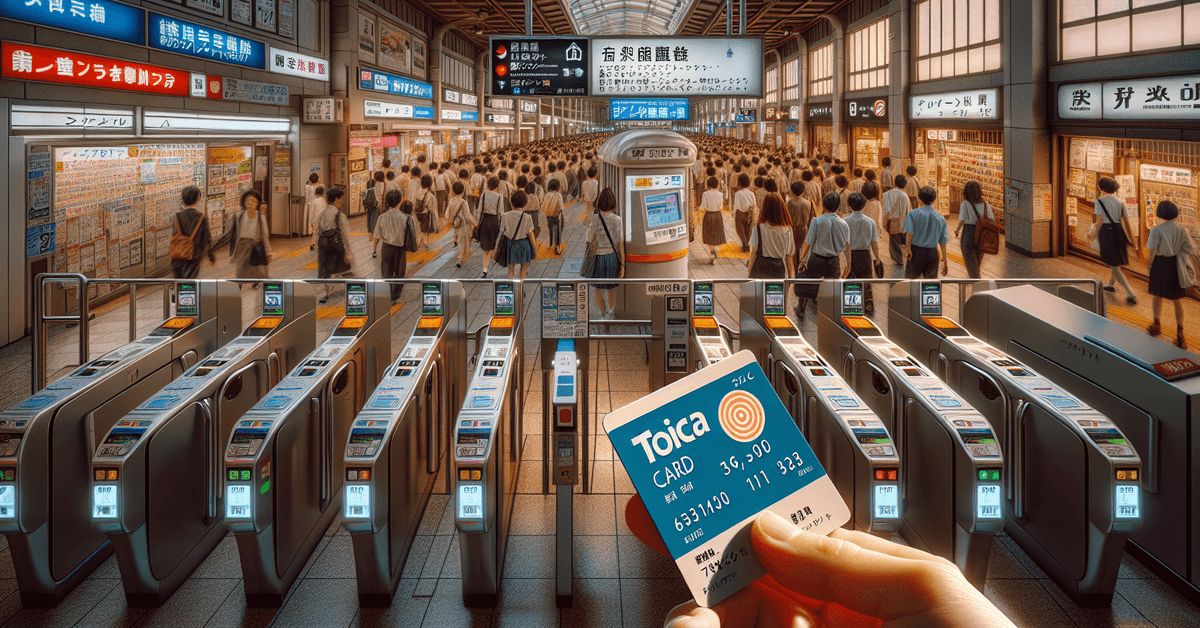
The system is contactless; just hold the card over a reader and the transaction completes in seconds.
Why the Toica Card Matters: Convenience and Speed
Perhaps the biggest advantage is how much it speeds up day-to-day routines. No more fumbling for coins or tickets in a rush. For visitors new to Japan, this system might feel futuristic, yet it’s become the norm and the benefits are immediate.
For Commuters
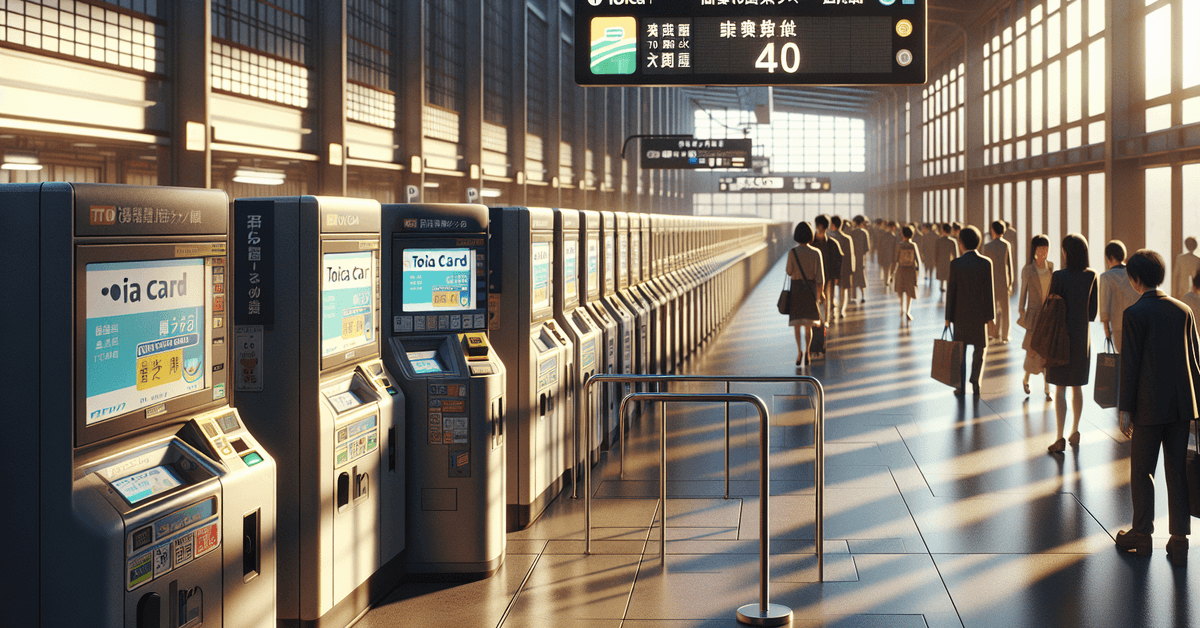
Commuters save time with quick tap-and-go entry and exit at station gates. Train delays due to ticket lineups are much less common.
For Shoppers
Many accept Toica for small purchases, snacks, drinks, or even a last-minute umbrella. It’s discreet and helps you stick to a budget, since you reload a set amount.
How the Toica Card Works
Toica is a prepaid card. Users add funds at ticket machines or kiosks. There’s no link to a bank account or identification required, so privacy is preserved.
Each tap deducts the fare or price of what you’re buying. When your balance runs low, simply top it up at participating locations.
Compatible Areas and Usage
The Toica has a "home region": primarily Aichi, Shizuoka, Gifu, and surrounding prefectures.
However, there’s interoperability, meaning it works in many places that accept other cards, like Suica or ICOCA, especially in major urban networks.
- Trains and Subways: JR Central lines and many partnered trains
- Retail: Convenience stores, vending machines marked with compatible logos
- Buses: Where Toica logos are shown
Getting Started: Where to Buy and Recharge
Most users pick up their Toica Card at train stations. Major hubs like Nagoya, Shizuoka, or Hamamatsu have purchase counters or machines with English options. A small deposit (usually 500 yen) is required, which is refundable if you return your card.
How to Recharge Toica
- Ticket vending machines at stations (accepting cash, not foreign cards)
- Convenience stores that participate in the scheme
- If unsure, look for the Toica symbol at the payment counter
Balances can be checked at machines or by asking station staff. If you’re like me, you might occasionally forget how much is left so glancing at the balance readout during entry or exit is helpful.
Advantages Over Regular Tickets and Cash
Using a Toica card is often more efficient than paper tickets for frequent travelers. Some readers have mentioned they feel less anxious about missing trains since entry is so seamless.
Also, since no PIN is required, it’s speedy, but take care to keep your card safe.
Budgeting and Record Keeping
Since it’s prepaid, overspending isn’t possible. Some card readers even show your remaining balance after each transaction, making it easier to manage your day-to-day costs.
Adapting for Tourists
Short-term visitors who plan to travel within the Toica area benefit from the simplicity. There are other cards, like Suica or Pasmo, but Toica’s coverage is best if your travels focus on central and western Japan.
Interoperability: Can a Toica Card Be Used Nationwide?
Mostly, yes. There are still small exceptions (certain rural lines), but generally, Toica users can access areas where compatible cards (IC cards) are accepted.
That crossover makes it ideal if your trip covers multiple regions and rail operators.
| Card | Primary Area | Rail Compatibility | Retail Usage |
|---|---|---|---|
| Toica | JR Central: Chubu, Aichi | JR Central, partner lines, Suica/ICOCA area | Yes |
| Suica | JR East: Tokyo region | Suica network, compatible IC areas | Yes |
| ICOCA | JR West: Kansai | ICOCA, partner networks, Suica/Toica area | Yes |
Safety, Security, and Lost Card Policies
What if you lose your card? Standard Toica cards are anonymous, so lost cards can’t be reissued. There’s a version called a “registered card,” usually available for local commuters, which can be reissued for a fee if lost.
For tourists, it’s wise to jot down your card number, just in case, though the risk of financial loss is generally quite low due to preloading limits.
Transactions use encrypted communication, helping protect against fraud. If you’re especially security-conscious, carrying only a modest balance is a simple precaution.
Adding Value: Beyond Transportation
It’s not just a train pass. Growing numbers of convenience stores, supermarkets, and airport shops now take Toica. I recall being surprised to buy coffee with it at a regional bakery, not just the “big chains.” Usage is expanding little by little. For a full, up-to-date list of vendors, see the official JR Central Toica website.
Can I Use Toica for Online Shopping?
At present, Toica is limited to in-person payments—online usage is not yet supported. Still, if online expansion launches (similar to how Suica works with some e-commerce), this could become a future feature.
Comparing Toica with Other Payment Methods
Why pick Toica when cash, credit cards, and other mobile wallets (like Apple Pay) exist? Many people in Japan still use cash, but transportation IC cards are uniquely fast at station gates.
Cards like Suica and ICOCA offer broadly similar functions, with regional distinctions. If you’re using other digital wallets for major purchases, reserve your Toica for quick buys and commutes.
For those balancing multiple payment tools, it might feel a bit messy at first! After a few days of use, though, most find it becomes second nature.
Who Should Get a Toica Card?
Frequent travelers in central Japan, daily commuters, or anyone wanting to skip language barriers at ticket machines may find it useful.
For tourists, a Toica card simplifies everything from train rides to fast food purchases—and limits the need to carry large amounts of cash.
Some may wonder if using a regional IC card locks you into a specific region. The reality is more flexible: interoperability means this card stays usable as you travel on Japan’s main networks.
Legal and Tax Considerations
For personal use, there are almost no paperwork requirements. Large companies using Toica for employee commuting expenses may be able to declare these as business costs.
Cardholders don’t earn interest or rewards directly, and balances are non-transferable. There’s also no risk of data misuse due to the cards' anonymity.
In case of refunds (for instance, upon returning the card at the end of your stay), be prepared for a small administrative fee. For full policy details, see Toica's official FAQ.
Tips for Maximizing Toica Card Value
- Keep your card in a separate pocket from phones to avoid scanning issues.
- Reload funds at off-peak hours to avoid lines. Early mornings can be crowded.
- Consider registering your card if you’re a long-term resident to enable loss protection.
- Don’t forget: most machines only accept Japanese yen cash for reloading.
For the complete list of participating shops and up-to-date area maps, the official Toica usage page is helpful. Internal link: Explore our in-depth guide to transportation cards in Japan for broader coverage.
Conclusion: Embracing Simpler, Safer Payments
For anyone living in or exploring Japan, the Toica Card offers time savings, ease of use, and smart budgeting, all with tap-and-go simplicity.
Whether you’re a student, business traveler, or first-time visitor, this small card removes one more barrier to enjoying daily life.
For potential cardholders, starting small and gradually integrating Toica into your routines may be the smoothest path.
If you’re curious about further tips for smart travel or want to compare other payment solutions, check our guide on modern cashless options in Japan .