
Handling international money matters in Japan can seem tricky, especially if you’re managing different currencies or moving funds abroad. Many residents and newcomers alike are turning to modern financial products to streamline the process.
The Wise Debit Card , once known as TransferWise, offers a way to spend, receive, and hold money in multiple currencies. But how exactly does applying for this card work if you’re living in Japan?

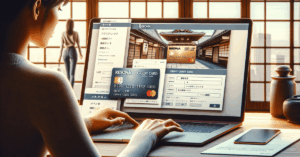

This guide aims to break down the main steps, address frequently asked questions, and weigh important considerations. Whether you’re an expat, an international student, or a digital nomad, you might find the Wise card option both practical and reassuring.
Why Consider the Wise Debit Card in Japan?
Japan’s banking system can be a little traditional, particularly if you’re used to banking apps or quick-account setups. International cards often come with benefits that Japanese banks and cards don’t always offer. It could be low conversion fees, global ATM access, or the simplicity of topping up from around the world.
- Multi-currency holding: Spend and withdraw money in over 50 currencies.
- No monthly maintenance fees: Only pay small, transparent fees when you convert or withdraw cash.
- Access to global spending: Accepted almost everywhere Mastercard is available.
- Travel-friendly: A useful tool if you travel between Japan and other countries frequently.
Many expats find that Wise makes life a little easier, especially for transferring money home or handling overseas subscriptions. Of course, there are some limitations—not every merchant in Japan accepts foreign-issued cards, and convenience store ATMs can occasionally reject some brands. Still, it’s a compelling financial option for many.
Requirements: Who Can Apply for a Wise Debit Card in Japan?
The application process for a Wise Debit Card is quite open—but there are a few requirements. Anyone over 18 with a valid Wise account can generally request the card. However, Wise may need to verify your identity, and you’ll need a delivery address that’s accepted by their system (residences, not P.O. boxes).
- You must have a registered Wise account with verified personal details.
- A Japanese home address where you can receive mail securely.
- Access to a government-issued ID (passport, residence card, etc.).
- A device for uploading identity verification documents (usually a smartphone).
It’s worth noting that card availability may change. Wise sometimes expands or restricts where cards are issued—so even if you’re in Japan, it helps to check their official page about supported countries and regions. As of this writing, Japanese residents can usually order a card, but eligibility always depends on current Wise policy.
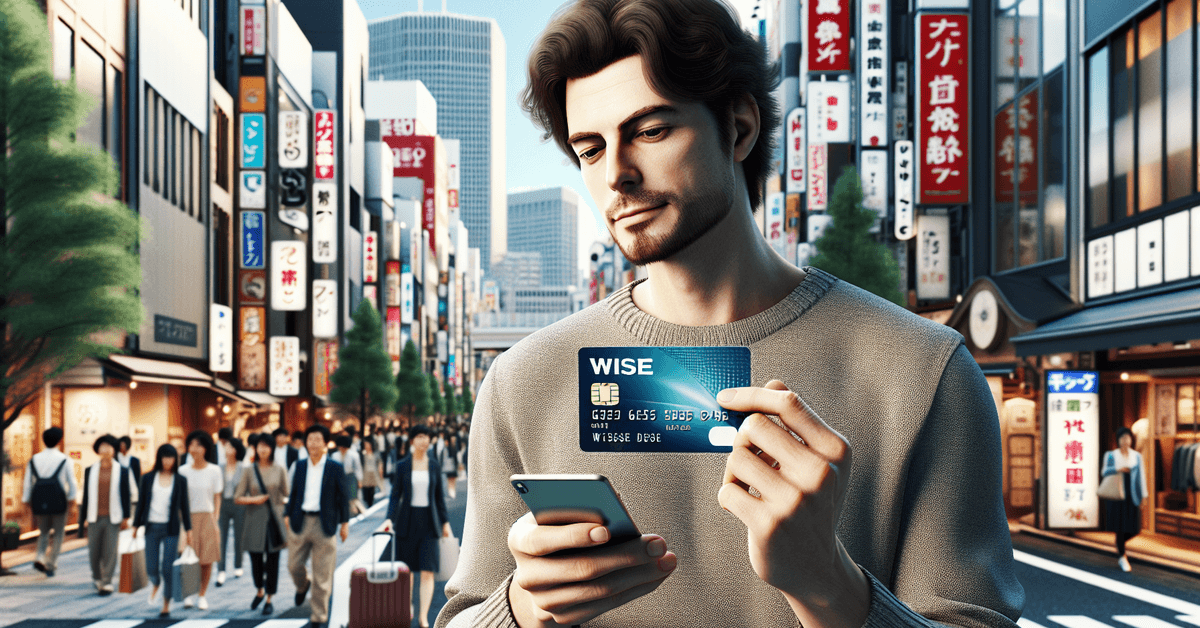
How to Apply for a Wise Debit Card in Japan: Step-by-Step
The actual application is quite user-friendly. There isn’t usually a long wait or heavy paperwork like at some traditional banks. Here’s a summary of the process many users in Japan have reported:
- Register a Wise account. If you don’t already have one, head to Wise’s website or use their mobile app. Sign up and verify your email.
- Verify your identity. Wise will ask for a scan or photo of an ID—usually your passport or Japanese residence card. Sometimes, they’ll request a selfie for extra security.
- Add your Japanese address. Make sure it matches the details on your ID. Enter your postal code and the full address, including building and apartment number.
- Request the card via the Wise app or online. Navigate to the “Cards” section and select ‘Order a card’. Follow the prompts, pay the one-time issuance fee (typically just a few hundred yen), and check estimated delivery times.
- Await confirmation and delivery. Wise sends a shipping update and tracking details. Delivery in Japan often takes about 1–2 weeks.
- Activate your card. Once the card arrives, log in to the app to activate it and set your PIN. You’ll also be able to view your card details securely in the app.
If something goes awry (like a misplaced address or missing document), Wise will get in touch via email or app notifications. Corrections can usually be made online, but in rare cases Wise support may request additional documentation.
Benefits & Considerations for Everyday Use
Wise’s features are impressive for both everyday payments and international transactions. Beyond the multi-currency holding, you get built-in spending analytics, robust security (like freeze/unfreeze options), and helpful app notifications. For many, the card works at most shops, online retailers, and most ATMs in Japan and abroad.
Key Benefits
- Transparent exchange rates: Almost the "real" mid-market rate.
- Low conversion fees: For international purchases or sending money abroad.
- Strong mobile features: Full control via the Wise app—block your card, set limits, track your balance, etc.
That said, there are a few realities to weigh. Some ATMs, especially in rural Japan, may reject foreign-issued debit cards. Cash is still central to many routines, from dining to small-shop purchases. If you spend most of your time in big cities like Tokyo or Osaka, this might not be an everyday problem, but it’s something to keep in mind.
Fees, Limits, and Other Practical Details
No card is perfect. Wise charges a one-time issuance fee and small variable fees for currency conversion or international ATM withdrawals. There’s typically a limit to how much cash you can withdraw for free each month. For up-to-date information, see their official support articles.
| Service | Fee |
|---|---|
| Card Issuance | Approx. ¥1,200 |
| ATM Withdrawals (up to monthly free limit) | Free |
| ATM Withdrawals (past free limit) | About 1.75% per withdrawal |
| Currency Conversion | Typically 0.35–2% |
There are spending limits by default (but they’re usually high enough for daily use), and you can change some limits in the app. The absence of monthly fees is nice if you’re not using your card every day.
Legal, Tax, and Compliance Considerations
Japan takes financial compliance and security seriously. Wise is regulated in multiple countries, including Japan. Transactions are monitored to prevent fraud and money laundering. For expats, students, and freelancers, it’s generally wise (no pun intended) to keep official records of card use, especially if receiving payments from overseas.
- For international residents: Report your overseas accounts and income per local regulations. See resources from Japan’s National Tax Agency.
- For freelancers: Keep all receipts if receiving business-related payments through Wise.
- For students: Most scholarship funds and part-time wages must be documented.
Admittedly, the boundaries between personal and business use might sometimes blur—especially if you’re managing side gigs. When in doubt, it might help to consult a licensed accountant familiar with expat finances.
Can You Use Wise for Everyday Purchases in Japan?
Most of the time, the Wise Debit Card operates just like a domestic card for payments in yen. Supermarkets, department stores, and many restaurants (especially in urban centers) will accept foreign Mastercards. For online shopping, sites like Amazon Japan or Rakuten rarely present any issues.
- Convenience store chains and many post offices accept foreign cards at the ATM.
- Smaller shops and some restaurants may only accept Japanese-issued cards or cash.
- Sometimes, you might face declined transactions—typically more common in rural areas or in certain traditional venues.
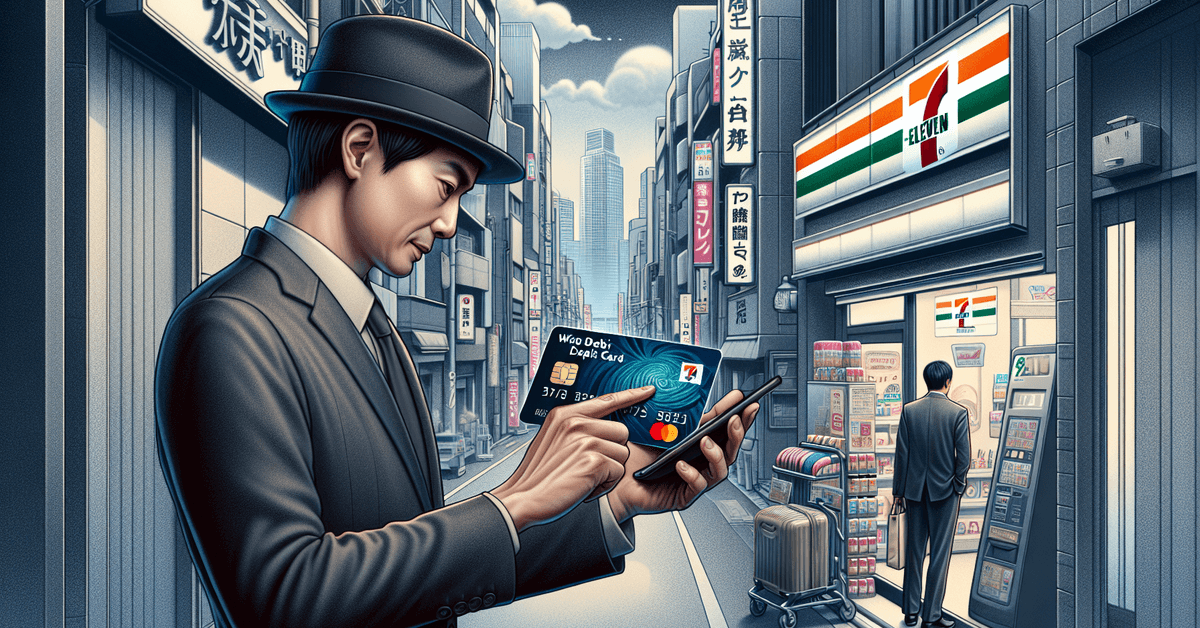
If you encounter any problems, it’s a good idea to notify Wise from the app or find a nearby ATM brand known to accept foreign cards, like 7-Eleven or Japan Post Bank. Over time, you’ll probably discover your own “safe” ATMs and retailers.
Internal and External Resources
If you want a deeper comparison between Wise and other options available to residents in Japan, you might find our related article Comparing International Bank Cards in Japan helpful. For FAQs, error troubleshooting, or current availability, always check Wise’s official Help Center and local consumer finance advisories.
Conclusion: Simplifying International Spending in Japan
Applying for a Wise Debit Card as a resident in Japan might feel unfamiliar at first, but the process is usually smooth and supported by clear instructions. For those juggling finances across borders, or just seeking a more flexible way to pay, it’s a solution worth exploring. Of course, like with any financial product, it’s wise (there’s that word again) to weigh your own needs and habits.
For readers who often send money overseas, work remotely, or just want competitive currency exchange rates, the Wise card is a flexible choice. Curious how it stacks up for students or digital nomads? You might want to check our guide on Flexible Financial Solutions for Living in Japan to explore other tools. Good luck with your international adventures!