
Managing local transport and everyday purchases in Kyushu is often a concern for travelers and residents alike. As Japan continues to refine its transportation networks, integrated IC cards like the SUGOCA card have gained popularity. With streamlined tap-and-go features, SUGOCA connects users to local trains, buses, and even a growing number of shops. This article offers a thorough look at how this card could simplify daily life or travel in Kyushu, including key info, benefits, and practical tips.
What Is the SUGOCA Card and How Does It Work?
Launched by JR Kyushu in 2009, the SUGOCA card is a rechargeable contactless IC card primarily for public transport. It uses RFID technology, enabling fast fare payment by simply tapping the card at ticket gates or card readers. SUGOCA is accepted on trains, city buses, and partnering retailers throughout Kyushu, and can even be used in other IC-ready regions across Japan, thanks to interoperability agreements with cards like Suica and PASMO.


Why Consider Using SUGOCA in Kyushu?
Traveling or living in Kyushu comes with a unique blend of modernity and tradition, but managing coins and tickets can sometimes feel old-fashioned. Using a SUGOCA card allows for quicker boarding and shopping, reducing the need for cash or one-use tickets. That convenience is often more valuable during busy travel days or when language becomes a barrier.
Key Benefits of SUGOCA
- Convenience: No more lining up for tickets every ride.
- Wide Acceptance: Works across most Kyushu transport lines and many stores.
- Rechargeable: Add money at any point—stations or convenience stores.
- Interoperable: Usable with partnered IC networks nationally.
- Discounts: Occasional promotional fares for cardholders, with some restrictions.
Where Can SUGOCA Be Used?
The SUGOCA card was designed for seamless integration in Kyushu, and its network is quite extensive. Primarily, it covers JR Kyushu trains, including local, rapid, and limited-express services. Buses in Fukuoka, Kumamoto, Kagoshima, and other cities also participate. Participating retailers—convenience stores such as FamilyMart, vending machines, select restaurants, and souvenir shops—accept it too.
Other Compatible Cards
SUGOCA’s interoperability means it functions nearly anywhere you’d use ICOCA, Suica, TOICA, or PASMO cards. For full compatibility lists, JR Kyushu's official page offers updated info. Occasionally, certain rural routes or smaller retailers might be exceptions, which is probably worth a quick double-check before traveling.
How to Get a SUGOCA Card
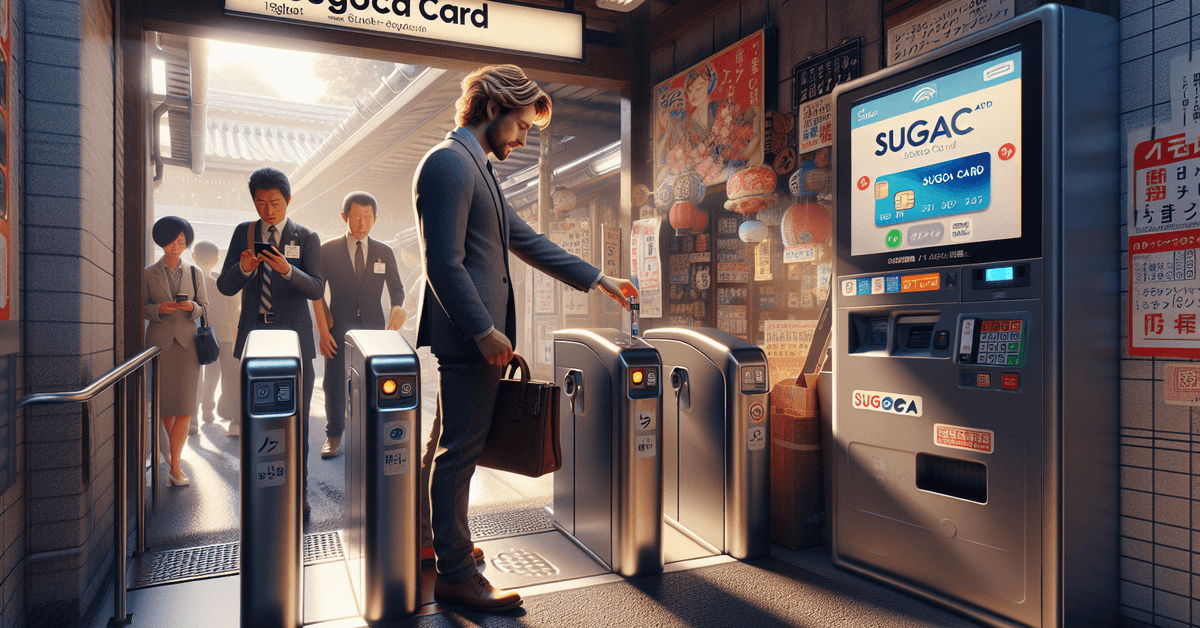
SUGOCA cards are available at major JR Kyushu stations and participating bus offices. Both automated machines and ticket counters sell them. A 500-yen deposit is required, refunded when the card is returned. Some machines accept only cash, so carrying a modest sum in yen helps.
- Initial cost: 2,000 yen (1,500 yen credit + 500 yen deposit)
- No personal identification required for standard cards
- Special editions may be available. These attract collectors, but generally work in the same way
Recharge and Balance Management
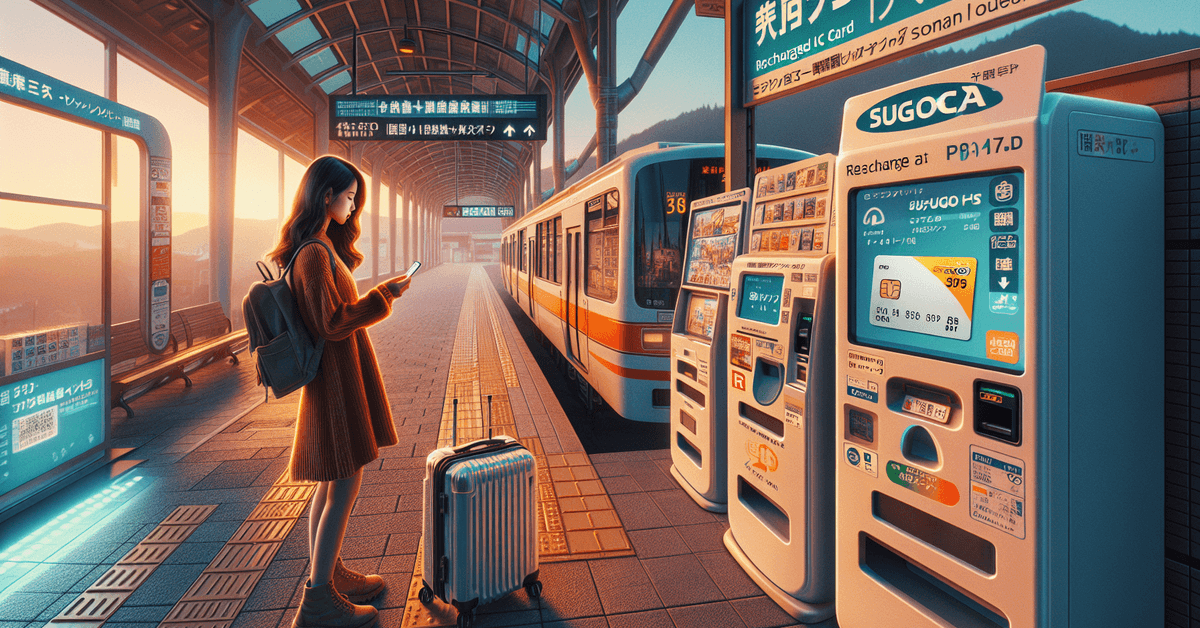
Keeping your SUGOCA card topped up is pretty straightforward. Most stations have self-service recharge machines, which accept cash. Participating convenience stores also recharge SUGOCA cards, making it easy to add value before or after your commute. For foreign visitors, the process may seem unfamiliar, but on-screen prompts are usually available in English and Japanese.
Tips for Avoiding Low Balance Issues
Check your balance before boarding or shopping; card readers display the balance after each use.
Stations with high traffic offer staffed counters for assistance if you feel uncertain.
Some machines accept only 1,000-yen notes—plan ahead if using larger bills.
Shopping and Everyday Use with SUGOCA
While transportation remains SUGOCA’s core use, its shopping potential shouldn't be overlooked. Many chain stores, kiosks, and even some large retailers accept it for quick payment. It won't replace a credit card for all purchases, but there’s satisfaction in not needing to fumble for coins. Occasional discounts or loyalty campaigns tied to IC card purchases add another layer of benefit, though these tend to vary by location and season.
Spending Limits and Security
Individual SUGOCA transactions are usually capped at around 20,000 yen. Lost cards can't be reissued unless registered (which also requires proof). Therefore, for large purchases, it might be more secure to use other payment methods. However, for casual commuting and snacks, SUGOCA is low-risk and convenient.
Comparison Table: SUGOCA vs. Other IC Cards in Japan
This table offers a rough idea of how SUGOCA stacks up against nationwide options. Importantly, almost all major IC cards now share interoperability for daily use.
| Card | Main Region | Refundable Deposit | Stores Accepted | Tourist Versions |
|---|---|---|---|---|
| SUGOCA | Kyushu | Yes (500 yen) | Wide | No |
| Suica | Tokyo/Tohoku | Yes (500 yen) | Widest | Yes (Welcome Suica) |
| ICOCA | Kansai/West | Yes (500 yen) | Wide | Yes |
| PASMO | Tokyo | Yes (500 yen) | Wide | Yes |
SUGOCA for Visitors: Is It the Best Choice?
For short-term tourists, SUGOCA may be less familiar than Suica or ICOCA. Unlike those, there’s no dedicated “Welcome SUGOCA” tourist card as of now. Still, the regular version remains the best fit if your travels focus on Kyushu, especially for efficient train and bus rides. Returning the card at trip’s end is easy and straightforward, and the remaining balance (minus deposit) is refunded in cash—though there might be some processing fees.
Recommended Steps for Tourists
Pick up a card at JR Kyushu's main stations (Hakata, Kumamoto, Kagoshima-Chuo, etc.).
Register the card if you plan long stays, to protect against loss.
Hold on to your receipt—it's often helpful when returning the card for a refund.
Legal Notes and Privacy Considerations
SUGOCA card usage is subject to privacy laws in Japan. Unregistered cards are anonymous, but registered (named) cards store travel histories and identify you. Data security standards comply with Japanese regulations.
If privacy is a concern, opting for the anonymous type might suit individual comfort levels better, acknowledging that loss protection doesn’t apply in that case.
Frequently Asked Questions About SUGOCA
Q: Can SUGOCA be used outside Kyushu?
A: Yes, most interconnected IC networks accept SUGOCA, including Tokyo, Kansai, and more. However, some isolated lines or rural buses may be excluded.
Q: Does SUGOCA work for Shinkansen?
A: Not directly for reserved seats. Normal commuter trains are fine, but bullet trains require traditional tickets.
Q: Can SUGOCA be used for online payments?
A: Typically not, at least not yet. It remains a physical payment method in stores and transport.
Conclusion – SUGOCA and Effortless Days in Kyushu
Whether commuting or sightseeing, SUGOCA provides a flexible, practical alternative to cash and paper tickets. Stress relief from complex fare tables, easier shopping, and reliable coverage make it a solid choice across Kyushu.
Browsing local markets or rushing to catch a connecting train, that tap-and-go ease is hard to overlook. If you’re curious about how technology can simplify travel in Japan, SUGOCA might be worth exploring further—and perhaps keeping as a small travel souvenir.
Curious about more IC card options in Japan? See our complete guide to Japan’s transport cards for side-by-side details and travel tips.