
Japan Post Credit Card is steadily gaining popularity among residents and long-term visitors, thanks to its accessibility and unique advantages within the Japanese financial system.
Understanding the main features, possible hurdles, and real-world benefits can help you decide if it fits your needs, especially if you're looking for a blend of convenience, local perks, and multi-language support.



This article is ideal for expats, students, travelers, or anyone curious about Japanese credit options. The key takeaway? You could find a reliable, widely accepted credit solution while learning a bit more about Japan’s banking landscape.
What Is the Japan Post Credit Card?
Japan Post Credit Card is an offering from Japan Post Bank, one of the most accessible financial institutions in the country.
Their credit cards are co-branded with major networks (like Visa or Mastercard) and can be managed via the Japan Post infrastructure.
This means it’s possible to use your card in thousands of post offices, as well as across most merchants nationwide. Many see this as a versatile option, particularly for those still getting established in Japan.
Key Benefits of the Japan Post Credit Card
Feature-wise, the Japan Post Credit Card has some selling points, yet it also comes with a few trade-offs. Here’s where it shines and where it may not:
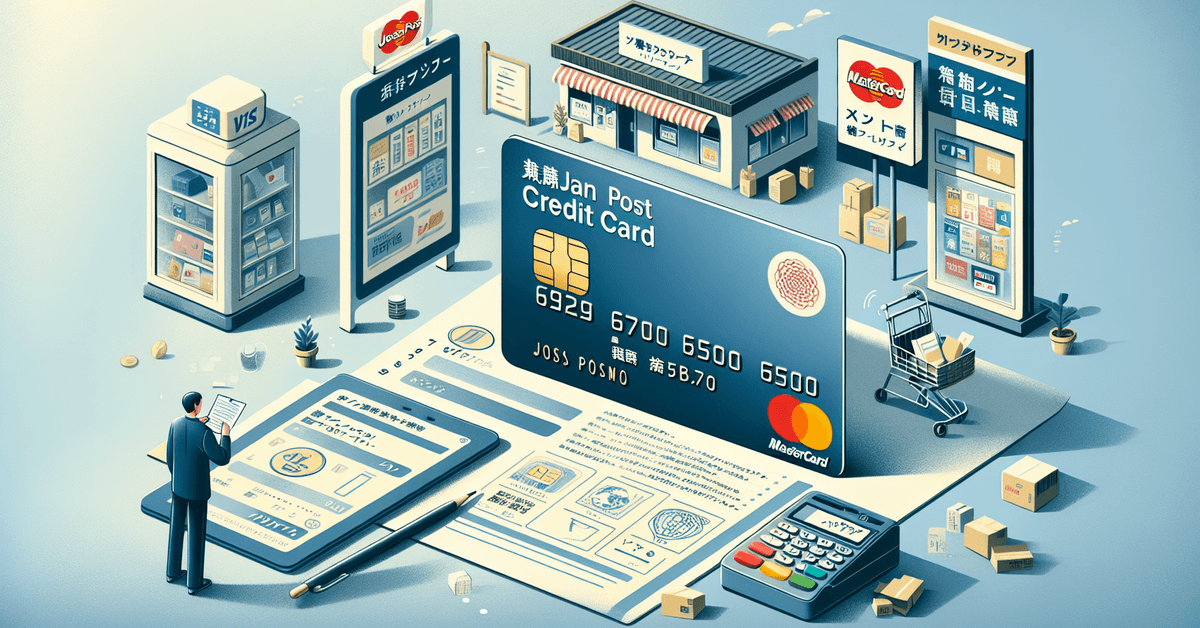
Wide Acceptance and Convenience
With a card from Japan Post, making payments at supermarkets, transport kiosks, and online retail becomes much simpler.
In smaller towns, where other cards might not always be accepted, Japan Post’s reach can make daily life smoother, especially if you’re new to the country.
Language Support (EN/JP)
Documentation, customer service, and application guidance are available in both Japanese and, increasingly, English.
This can ease the process for non-native speakers, though fluency is occasionally needed in-person or for complex inquiries.
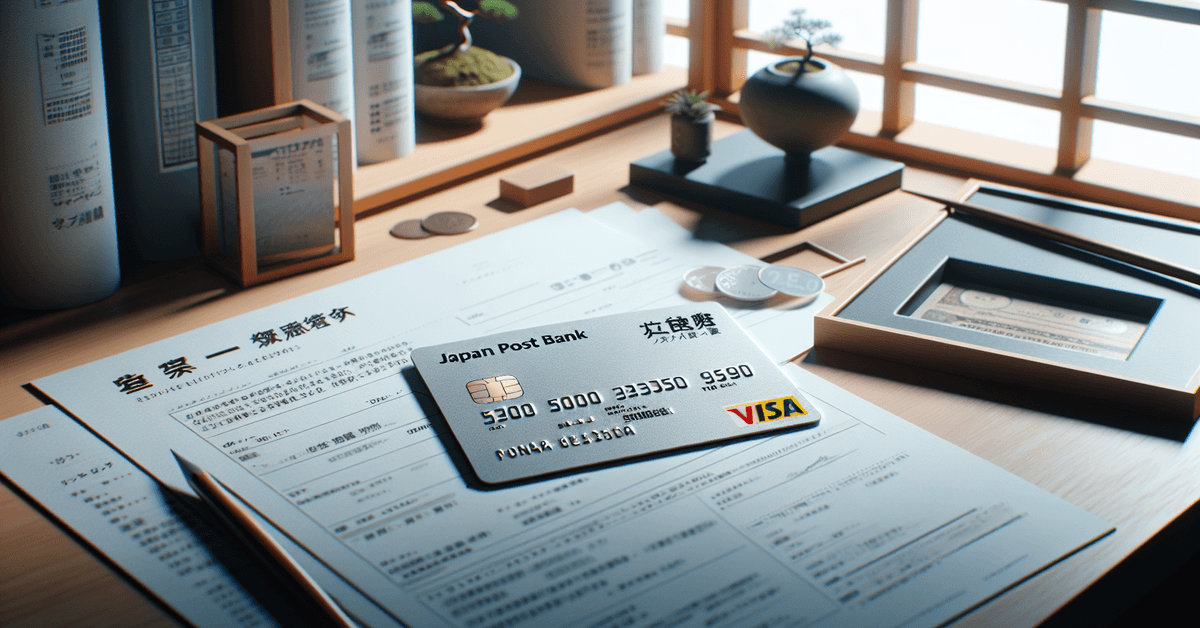
Integration with Japan Post Bank Services
Since many people already rely on Japan Post Bank for their main account, linking your credit card is straightforward. You can view statements, manage payments, and set up autodebit, all from one familiar portal.
Rewards and Loyalty Programs
Although not always the most lucrative, most Japan Post credit cards offer point-based reward programs for domestic purchases. These points can be redeemed for goods or discounts at affiliated partners.
Security and Fraud Prevention
Japan Post Bank places strong emphasis on security features —from real-time alerts to two-factor authentication. Some users mention greater peace of mind when transacting in Japan, especially online.
Drawbacks and Limitations
No card is perfect, of course. It might sound like a contradiction, but even with flexibility, there are a few drawbacks worth considering before applying for a Japan Post credit card.
Eligibility for Foreign Residents
The application process is designed primarily for Japanese nationals—and, while foreign residents can apply, approval may take longer. A stable address and valid visa are typically required, with residence periods of at least 6–12 months preferred.
International Use and Currency Fees
Japan Post credit cards work fine domestically, but overseas use can attract higher currency conversion charges. The point system is mainly geared toward Japanese spending, so international rewards are limited.
Relatively Modest Perks
I think it's fair to say the perks on offer are practical but not particularly glamorous. Japan Post tends to focus on reliability rather than luxury extras, so frequent travelers may consider alternatives like SMBC or Rakuten Card.
Eligibility and Requirements
This is perhaps the section where most questions arise. Here’s what you’ll generally need to prepare if you’re considering applying:
- A valid residence card (在留カード / zairyū kādo)
- Proof of address (utility bill, rental contract, etc.)
- Proof of income (salary statement or similar for employed applicants)
- A Japanese phone number
- Japan Post Bank account (usually required)
Some applicants, particularly students or recent arrivals, mention needing a guarantor or showing a stable source of income. Requirements might evolve, so it's best to check the latest info via the official site above.
How to Apply: Step-by-Step Process
Applying for a Japan Post Credit Card isn’t usually too complicated, but I have noticed the experience can feel a bit old-school compared with digital-first banks. If you’re patient and prepared, the following steps tend to apply:
Prepare Your Documents
Gather your ID, residence card, bankbook, and proof of address. Some forms will ask for employment details as well. If you can, have an English-speaking friend help translate any trickier sections.
Online or In-Branch Application
The most common way is to visit a Japan Post branch. Some cards now allow for online pre-application, but the process usually concludes in person for ID validation.
Fill Out the Application (EN or JP)
Forms and disclosures will be provided in both Japanese and often in English. Take your time reviewing the terms, focusing on interest rates, repayment periods, and annual fees.
Verification and Approval
Your application may take anywhere from a few days to a couple of weeks to process. During this period, Japan Post may contact you for additional documents or clarification.
It’s not uncommon for foreign applicants to receive follow-up calls in Japanese, so be ready for that just in case.
Receiving the Card
Once approved, the physical credit card will be mailed to your registered Japanese address.
Activation instructions (in English and Japanese) should accompany the delivery. Setting up your online account management is highly recommended for easier tracking.
Comparison Table: Japan Post Credit Card vs. Other Japanese Cards
For more in-depth comparisons, see our Japan Credit Card Guide (internal link suggestion).
| Feature | Japan Post Credit Card | Rakuten Card | SMBC Card |
|---|---|---|---|
| Application Languages | JP/EN | JP/EN | JP/EN |
| Acceptance | Very High in Japan | High | High |
| Online Management | Integrated with JP Bank | App/Web Portal | App/Web Portal |
| Point Rewards | Modest | Generous (esp. online) | Moderate |
| Annual Fees | Varies (some free) | Often Free | Varies |
| Best For | Residency Stability, Everyday Spending | Online Shoppers | Travel Perks |
Tips for a Smoother Application
Even seasoned expats sometimes run into unexpected hiccups. Here are a few tips that, in my view, might smooth the process:
- Have all documents ready to avoid repeat visits.
- Double-check your Japanese address for exact kanji/hiragana spelling.
- If possible, apply with a Japanese friend present for support.
- Don’t be discouraged by follow-up questions—this is standard.
- Remember: Patience is genuinely helpful here!
These small steps can minimize delays and reduce the chance of having your application sent back for corrections.
Common Questions & Mild Contradictions
Can short-term visitors apply?
Officially, credit cards are for mid- to long-term residents, not tourists. Yet, anecdotal cases sometimes pop up—perhaps rare exceptions, but possible.
Does Japan Post offer ‘instant’ approval?
Not generally. The process is methodical, which is probably good for security, but—frankly—not ideal for those seeking instant use.
Is English support truly comprehensive?
It’s better than before, though full fluency from staff can’t always be assumed. For urgent or complex cases, Japanese remains most reliable.
Conclusion & Next Steps
Choosing a Japan Post Credit Card can offer steady, reliable service with strong integration into daily life in Japan. The benefits, especially for long-term residents, tend to outweigh the drawbacks, though there’s always room for improvement in terms of perks and international flexibility.
If manageable requirements and decent language support fit your context, this card may deserve a closer look.
For more on working, studying, or living in Japan, browse our growing resources or consider reading our comprehensive credit card guide for expats.
Staying informed is always the best way to make confident financial choices—whether your plans in Japan are for a semester or a decade.