
Choosing the right credit card can feel complicated, especially when considering options in Japan. The Seven Bank Credit Card is well-known, yet not everyone fully understands its features or the application process.
This guide aims to simplify these topics, focusing on both what makes this card unique and how to apply it.



Whether you’re looking for convenience, rewards, or just need to navigate the Japanese financial landscape, there’s something practical to learn here.
Understanding Seven Bank and Its Credit Card Offerings
Seven Bank is part of the larger Seven & I Holdings, famous for operating 7-Eleven stores in Japan. Many people recognize their ATMs, but the bank also offers a credit card that integrates well with daily life, especially if you shop frequently at related stores.
The card is designed with users in Japan in mind, providing various functions, simple management, and partnerships that may help optimize spending.
For those living in Japan—expats, students, or even local residents—this could be a helpful financial tool, though what you gain depends on your needs.

Main Features of the Seven Bank Credit Card
Let’s explore the main features of the Seven Bank Credit Card. Here’s what stands out, according to information available from official sources:
Integration with Nanaco and 7-Eleven
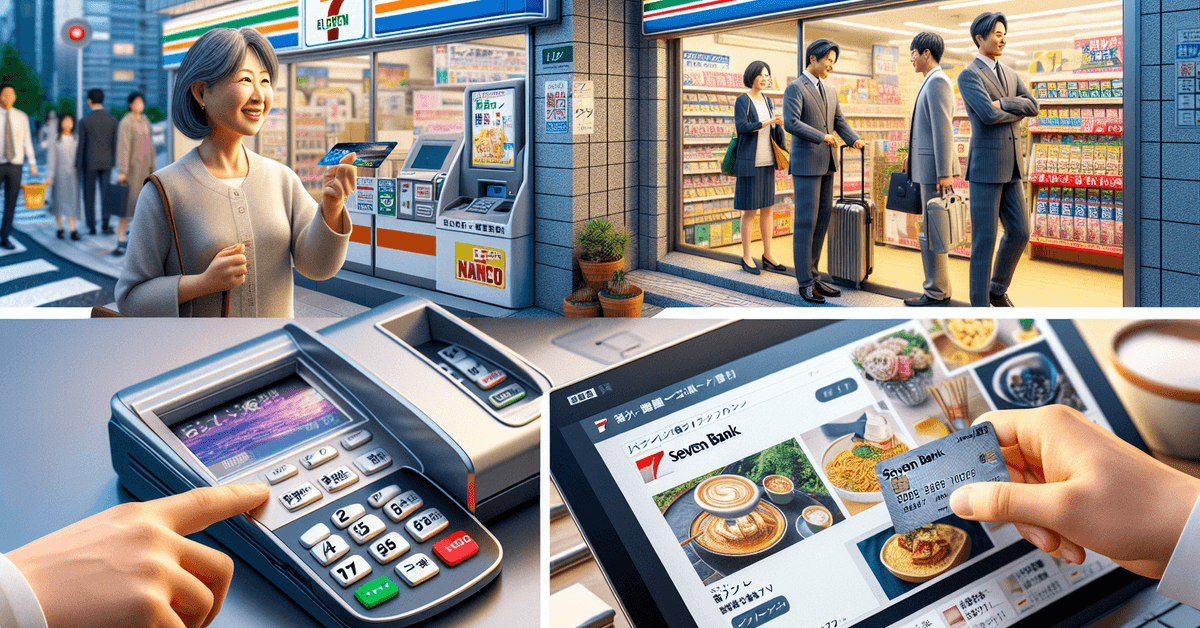
The Seven Bank Credit Card links directly with Nanaco, which is a popular electronic money system. Using the credit card, you can recharge your Nanaco balance and use it at thousands of stores, including 7-Eleven and Ito-Yokado.
This seamless connection is particularly suited to those who value convenience in their daily payments.
Points and Rewards Program
Every purchase with the card earns you Nanaco points, which can be redeemed on future shopping trips.
While the rate might not seem significant for every transaction, regular card use—especially at partnered retailers—lets you accumulate rewards over time.
The detail that sometimes surprises people is just how simple the rewards structure is, compared to some other cards in Japan.
ATM Access and Online Banking
Cardholders have easy access to Seven Bank’s extensive ATM network, as well as simple online management through the Seven Bank website or app.
If you travel across Japan or just want the reassurance of ATM availability, this could be a subtle yet practical benefit.
Security Features
Security is a big topic in Japan’s financial sector. Seven Bank includes standard safety measures—like IC chip technology and real-time alerts. These features might not be unique, but they do provide a baseline of reassurance.
Annual Fees and Costs
The Seven Bank Credit Card offers various types (for example, the International Card or the basic Nanaco Card). Fee structures might differ.
Some cards offer the first year with no annual fee, and the subsequent annual cost is relatively modest, though the specifics usually depend on the cardholder’s usage and type chosen.
Benefits: Who Might Find Value in Seven Bank’s Credit Card?
It’s not always easy to determine which card matches your own lifestyle. Based on the features above, the Seven Bank Credit Card seems to meet the needs of several groups:
- Frequent 7-Eleven shoppers: If you buy meals or essentials here, rewards add up fast.
- Expats or students in Japan: Application may be somewhat more straightforward compared to some other banks, though not without some hurdles.
- People seeking a simple rewards structure : Some cards have complicated tiers, but this one feels more user-friendly, at least in daily spending routines.
- Those who prefer digital and ATM access as a package.
Of course, if you rarely shop at Seven & I Holdings stores, the value might not be as direct. That said, there’s still benefit for those who just want a no-frills credit experience with enough perks to make it worthwhile.
Requirements and Eligibility: What You’ll Need
The Seven Bank Credit Card is generally available to individuals who:
- Are over 18 years old (with certain exceptions for minors).
- Have a stable source of income, although full-time employment isn’t always mandatory.
- Possess a valid address in Japan and, in some cases, evidence of residency status (for non-Japanese applicants).
- Can provide identification documents, such as a residence card, My Number card, or passport.
The specifics can change, so the best practice is to consult the official Seven Bank site before applying.
How to Apply for a Seven Bank Credit Card
The application process feels familiar if you’ve applied for a credit product in Japan before, but there are steps that may be new to those coming from overseas. Here’s a general outline:
- Visit the Seven Bank application page (English is available for some parts).
- Complete the application form online.
- Upload or mail your identification and proof of address.
- Wait for credit screening—this can take a few days to a couple of weeks.
- If approved, your card is sent to your address.
Some people have found the process quicker than they expected. For others, additional verification or language barriers added a bit more time, especially if not every document met requirements on the first try.
Using the Card: Everyday Scenarios
In everyday life, the Seven Bank Credit Card is accepted pretty widely—especially anywhere major credit cards (like JCB or Visa) are supported in Japan. Grocery runs, travel bookings, online purchases; the scope is fairly broad.
Perhaps the real highlight is the synergy with Nanaco balance recharges and convenient ATM withdrawals. Many consumers use it for just these two functions, finding that the integration genuinely saves them effort in day-to-day finance management.
Comparing Seven Bank Credit Card with Other Japanese Credit Cards
It often helps to compare. Here’s a table showing basic differences between the Seven Bank Credit Card, Rakuten Card, and Mitsubishi UFJ NICOS Card:
| Card | Annual Fee | Points System | ATM Access | Special Features |
|---|---|---|---|---|
| Seven Bank Credit Card | Some types free first year / low cost | Nanaco Points | Extensive 7-Eleven/affiliated ATMs | Nanaco, 7-Eleven perks |
| Rakuten Card | Free | Rakuten Points (high rate) | Bank ATMs nationwide | Extensive online bonuses |
| Mitsubishi UFJ NICOS | Low to medium | Various points/miles | UFJ ATMs, partner banks | Travel and insurance options |
This may not cover every nuance, but it does provide a sense of how these choices differ.
For many, the integration with daily life (Nanaco, ATMs at 7-Eleven) is a deciding factor. On the other hand, those who want travel perks or e-commerce rewards might lean elsewhere.
Legal and Tax Considerations for Cardholders
Anyone using a credit card in Japan should stay aware of the legal and tax implications.
Purchases made with a Japanese credit card are generally subject to the national consumption tax (10% as of 2024), and bills are settled monthly from your linked account.
For expats or non-permanent residents, managing credit history is an area to monitor. Applying for and responsibly managing a Japanese card helps establish a positive financial record, which could prove helpful for future applications (apartment rentals, loans, etc.).
If you earn income on your card, say, via points programs, it’s rare that these have major tax effects. But for significant rewards, or if the points translate into cash-like gifts, reporting them may be required.
It always helps to check the most current guidelines—reference the Japanese National Tax Agency or trusted financial advisors.
Tips for Responsible Credit Use and Maximizing Value
A credit card is a useful tool, but not quite the same as cash. Here’s a brief checklist for getting the most out of the Seven Bank Credit Card (or any card, really):
- Set up online banking for spending monitoring.
- Schedule payments to avoid interest or late fees.
- Redeem Nanaco points regularly, don’t let them expire.
- Utilize ATM services during non-peak hours for faster transactions.
- Keep updated on fee and term changes via Seven Bank’s news section.
If you are seeking ways to optimize everyday spending, you might also check our Budget Tips for Living in Japan article for practical advice.
Frequently Asked Questions (FAQs)
- Is English customer support available?
Seven Bank offers some English-language support online. However, certain processes—including verification—may still require interaction in Japanese or with help from a native speaker. - Do international residents face extra hurdles?
Sometimes yes, especially regarding ID verification or address history. Patience and careful documentation usually resolve most issues. - Is Nanaco integration automatic?
Typically, activation instructions are provided with your card. Linking is straightforward but not always instant—check materials for detail.
Conclusion: Is the Seven Bank Credit Card Right for You?
Choosing a credit card isn’t just about perks or fees. The Seven Bank Credit Card offers functional integration with daily Japanese life—especially if you frequent 7-Eleven or prefer digital finance options.
It’s accessible, straightforward, and ties smoothly into existing routines. For some, that’s exactly what’s needed in a card. For others, maybe there’s a bit more to consider.
Note: There are risks involved when applying for and using credit. Consult the bank’s terms and conditions page for more information.