
PayPay Card has been drawing increasing attention among both local residents and international visitors in Japan.
At its core, it’s a credit card product that couples robust payment security with an attractive cashback rewards system.



For individuals seeking accessible financial tools, particularly those interested in blending cashless convenience with benefits, the PayPay Card stands out as an interesting option.
What Is PayPay Card? An Overview for Savvy Shoppers
PayPay Card is a credit card issued by PayPay Card Corporation in Japan. While it’s closely integrated with the broader PayPay digital wallet ecosystem, the card works as a standard credit line.
The key point? Its hybrid approach bridging everyday purchases with a cashback-earning system can be quite appealing for people seeking to optimize their spending.
Despite being tailored to Japan, details are often available in both Japanese and English for added accessibility.
How Secure Are PayPay Card Payments?
Security concerns frequently come up with any credit card product, and rightfully so.
The PayPay Card uses advanced security protocols such as EMV chips, real-time transaction notifications, and optional two-factor authentication to help safeguard user data.
These measures are central to protecting sensitive information though, of course, no system offers absolute guarantees.
EMV Chip & Card Lock Features
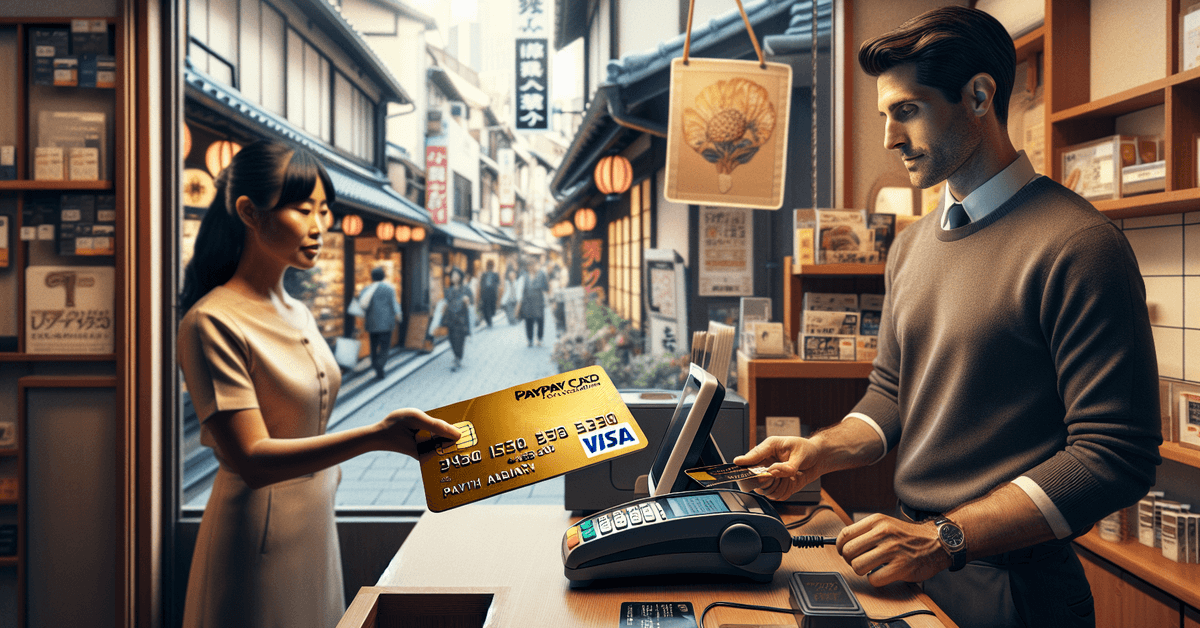
The card employs industry-standard EMV chip technology. This reduces risks associated with counterfeiting. Whenever a transaction occurs, the system encrypts cardholder data for safe transmission.
Plus, users have the option to temporarily lock the card through their PayPay Card app should they notice suspicious activity or lose track of their card briefly.
It may not be a feature that’s used daily, but it’s reassuring to know it’s there.
Instant Alerts and Spending Controls
Users also receive instant alerts via the PayPay app (or through email, if preferred) whenever a transaction is made.
This brings quick visibility, enabling prompt action in case of unauthorized use. Customizable spending limits add an extra layer of self-managed security though adjusting these settings sometimes requires navigating a few menus.
Cashback Rewards: How Does It Work?
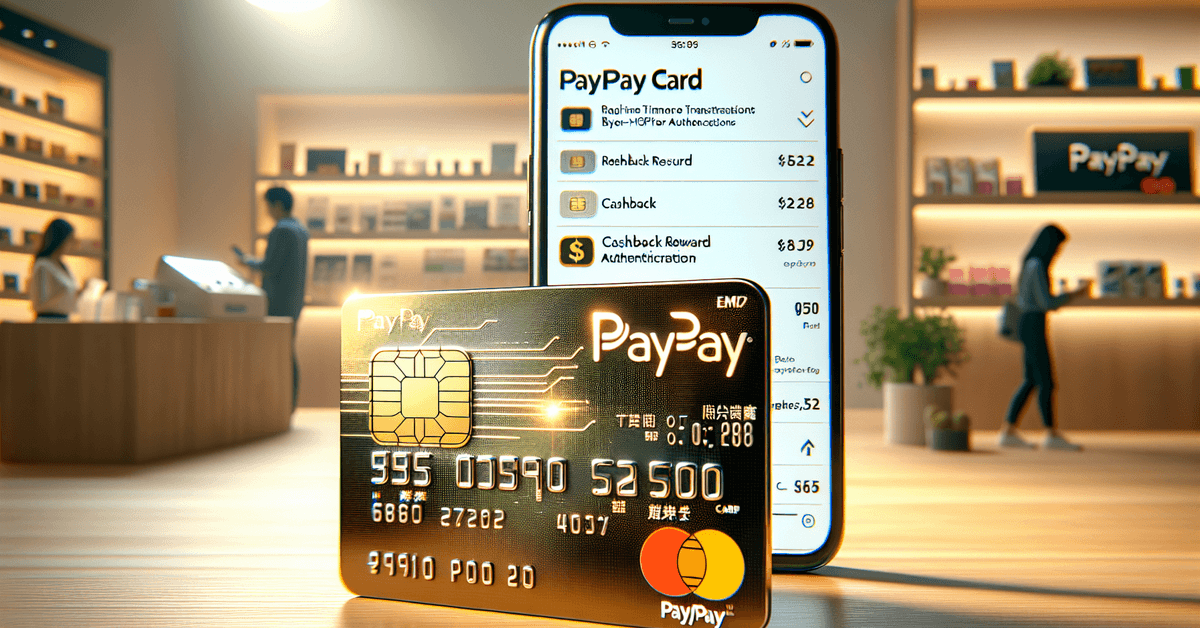
At the core of PayPay Card’s appeal is its cashback program.
Cardholders typically receive a flat cashback rate (for example, 1%) on eligible purchases, though payoff rates might fluctuate depending on promotional events or merchant categories.
At times, shoppers can unlock extra points, especially during seasonal campaigns or through partnerships with select PayPal merchants.
Sample Cashback Structure (April 2024)
Of course, cashback percentages and eligibility criteria tend to adjust over time, so it’s helpful to periodically check the official PayPay Card website for up-to-date rates and campaign offers.
| Purchase Category | Base Cashback | Bonus/Promo |
|---|---|---|
| General Shopping | 1% | Up to 2% on campaign days |
| PayPay Mall/PayPay Integration | 1.5% | Occasional extra points promos |
| Specific Partner Stores | Varies | Check app for latest |
Who Benefits Most from PayPay Card?
The card’s features align well with a variety of spending styles. If someone shops online in Japan or enjoys dining out often, the immediate cashback and exclusive access to PayPay ecosystem deals can quickly add up.
Residents who prefer contactless, cashless payment options may find the dual app+card approach particularly seamless.
And while the marketing materials often picture young urbanites, retirees, and occasional travelers might also appreciate the straightforward rewards model, perhaps after learning the ropes of the PayPay app interface.
Applying for PayPay Card: Steps & Requirements
The application process is fully digital for most users. Typically, applicants need a Japanese address, proof of identity, and a phone number.
The interface is available in Japanese, with parts now supporting English as well. Notably, the process may feel simpler than some older banking tools, but there are still occasional technical hiccups.
Eligibility Checklist
- Must be at least 18 years old and residing in Japan
- Japanese phone number (required for SMS verification)
- Official identification (such as a residence card or a driver's license)
- Able to pass a standard credit screening
Once approved, the physical card is sent via mail. Digital usage, however, can begin almost immediately through the PayPal app, an advantage for those itching to jump right in.
Using PayPay Card: Where and How?
PayPay Card works online, at physical stores, and most notably wherever Visa (or Mastercard, depending on the variant) is accepted.
There’s also direct integration with the PayPay app, letting users add the card to a digital wallet for mobile tap-and-pay at millions of Japanese retailers.
International Usage and Foreign Transactions
While local usability is excellent, international acceptance sometimes poses hurdles.
The card supports global Visa/Mastercard acceptance, but foreign transaction fees may apply, and cashback rates could differ outside Japan. Planning a trip? Checking these terms in advance can save some surprises.
Managing Your Finances with PayPay Card
PayPay Card offers a dedicated app that displays real-time balances, available credit, and recent transactions.
There are spending trackers, monthly statements (available in both Japanese and partial English), and support for transaction queries.
Automated reminders for payment due dates help avoid late fees, and, perhaps, make budgeting a bit easier for those new to credit card management.
In-App Tools and Spending Insights
The app also features spending category breakdowns and tracking habits over time. Maybe this motivates some users to set clearer budgeting goals or, occasionally, leads to a bit of reflective guilt about that third café visit in a single week.
Fees, Interest Rates, and Financial Considerations
Cards like PayPay are often marketed around rewards, but managing costs is crucial. Standard annual fees for basic cards are usually zero yen (subject to change).
However, carrying a balance (not paying in full each month) accrues interest, with APRs varying by card type and promotions. Late payment fees do apply if due dates are missed.
For the latest and detailed overview, checking PayPay Card’s official fee guidelines is strongly recommended.
Comparing PayPay Card with Other Options
Japan’s cashless payments landscape is competitive. PayPay Card stands shoulder-to-shoulder with alternatives like Rakuten Card, d Card , and LINE Pay Card .
Each has unique perks, such as online shopping points or mobile payment bonuses.
| Card | Annual Fee | Base Cashback | Notable Feature |
|---|---|---|---|
| PayPay Card | ¥0 | 1%+ | PayPay app integration |
| Rakuten Card | ¥0 | 1%+ | Online mall bonuses |
| d Card | ¥0 | 1% | d POINT program |
| LINE Pay Card | ¥0 | 0.5-2% | LINE ecosystem |
No single product fits everyone perfectly, while some people swear by PayPal’s ecosystem, others see better value in, say, Rakuten Points.
It’s really wise to consider your own shopping habits, preferred retailers, and whether app-based account management fits comfortably with daily life.
Is PayPay Card Right for You?
This card resonates for people looking to maximize spending efficiency in Japan, especially those active within the PayPay digital world.
If you’re already using the PayPay wallet or shop at places supporting PayPay scan payments, linking a PayPay Card streamlines the experience.
Yet, it might be less compelling for those without much interest in managing finances via apps or who rarely shop in person.
Tips for Maximizing PayPay Card Benefits
Opt in for seasonal campaigns, which offer higher cashback or bonus points.
- Set up automatic monthly payments to avoid late fees and keep rewards intact.
- Use the card mainly at PayPay partner merchants for elevated benefits.
- Leverage the spending tracker for mindful budgeting.
- Stay updated on changes. App notifications often highlight new perks or features.
Responsible Usage and Legal Notes
PayPay Card is subject to Japan's banking, privacy, and consumer protection laws.
Personal information is handled per local regulations, with explicit opt-in requirements for most marketing or data-sharing features. It’s not available for foreign residents without a local address.
For more information, official English resources can be found within the PayPay Card app or their English help desk. Reviewing the Google Safe Browsing policies can also be prudent for international users concerned about data safety.
Conclusion: Balance, Rewards, and Peace of Mind
Choosing a card like PayPay opens the door to secure, flexible payments backed by real financial perks.
Is it for everyone? Not necessarily. But for those who fit its user profile, tech-savvy, value-conscious, and relatively comfortable with app-based financial management, the PayPay Card could become a dependable daily companion.
Checking ongoing promotions and eligibility is always a good move. For readers interested in related topics, see our complete guide to cashless credit cards in Japan for further options and comparisons.