
Exploring retail jobs in Japan can open new doors for those searching for stable employment or a flexible side income. Jobs in clothing and electronics stores are especially popular right now.
This article offers an easy-to-follow guide on retail work in Japan, ideal for anyone considering their options or planning a move. Discover the hiring landscape, what makes retail unique here, and how it might fit your career plans.



Why Consider Retail Jobs in Japan?
Japan's retail industry is vast, ever-evolving, and known for its unique customer service culture. Retail roles often appeal to students, expatriates, or those seeking career shifts. There’s a steady stream of hiring, too.
Compared to other roles, retail in Japan tends to offer varied shifts, allowing people to balance work with other commitments. Also, for those hoping to polish their language skills, this sector provides a real-world setting for constant practice.
Current Demand in Clothing and Electronics Stores
The demand for staff in clothing and electronics shops is consistent, particularly in city centers like Tokyo, Osaka, and Yokohama. These stores range from household-name brands to specialized boutiques.
Electronics stores, including well-known names like Bic Camera and Yodobashi Camera, have regular hiring sprees, especially before shopping seasons. Clothing retailers, from Uniqlo to smaller fashion chains, also seek enthusiastic workers.
Sometimes, stores favor applicants with language skills or familiarity with the latest technology, though many positions require only basic training at first. The pace and expectations vary, but this sector rarely sees a complete hiring freeze.
Types of Retail Jobs Available
Part-Time Positions (Arubaito)
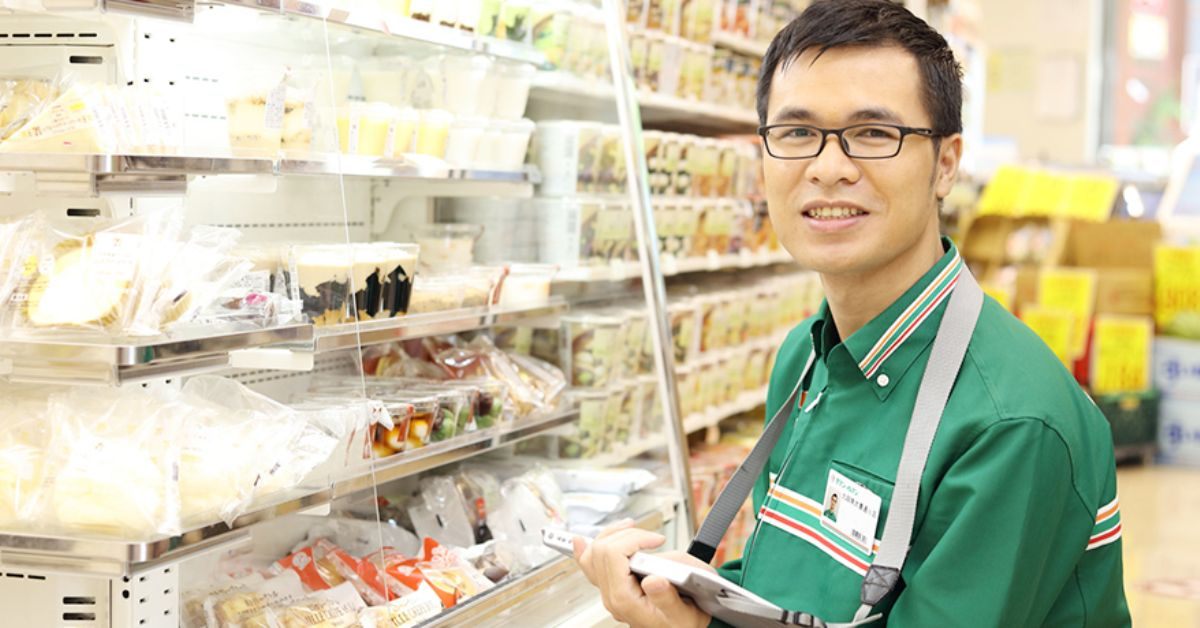
Many workers in the retail world start as “arubaito” – part-time hourly positions. Responsibilities depend on store size and type. Tasks might include stocking, cashiering, or greeting customers.
Full-Time Staff Roles
Full-time positions come with more responsibilities and better benefits. Staff may get involved in inventory management, visual merchandising, or even training new employees. Higher roles sometimes lead to management paths.
Sales Associate Jobs
A sales associate handles daily face-to-face service, often acting as the main point of contact for customers. Politeness and product knowledge can make a big difference here.
Backroom and Logistics
Some workers focus more on inventory, deliveries, or warehouse organization, rarely interacting with shoppers. These roles suit people who prefer a steadier pace behind the scenes.
Key Skills and Qualities for Success
Success in Japanese retail usually depends as much on attitude as technical qualifications. Punctuality and a neat appearance are valued highly. An upbeat or approachable manner is a plus.
For electronics stores, familiarity with gadgets or willingness to learn new technologies helps. In clothing outlets, a sense of the latest trends—or just the ability to quickly memorize inventory—can be helpful.
Language skills, especially Japanese, make everything easier. Some global chain stores, however, also appreciate English or Chinese speakers in areas frequented by tourists.
Popular Employers in Clothing and Electronics Retail
Clothing Retailers
Brands like Uniqlo , GU, and Muji operate outlets nationwide. Uniqlo, for example, publishes official job opportunities on its career page. Seasonal demand often peaks before new fashion lines drop.
Electronics Retail Chains
Bic Camera and Yodobashi Camera both have frequent openings, due partly to high foot traffic and expanding locations. Workers may find the roles in these stores slightly more technical, though full training is typically provided.
Specialty and Boutique Stores
Smaller retailers in fashion or consumer tech often hire for temporary roles, especially around major Japanese holidays. These jobs offer focused experience, but turnover can be high.
How to Find Retail Jobs in Japan
Jobs are listed through local recruitment agencies, job boards, or directly on company websites. The Japanese-language “Hello Work” government portal offers listings, and platforms like Mynavi, Town Work, or GaijinPot cater to English speakers as well.
Applicants generally submit a resume (rirekisho) and may go through one or more interviews. It’s common for resumes to be handwritten in Japan, though digital applications are slowly gaining ground.
Those already in Japan can also walk into stores and inquire about openings. Some stores even post signs at the entrance when there's active hiring. Hard to say which method gets better results—perhaps it just depends on timing and luck.
Working Conditions and Pay
Salaries in retail depend on region, role, and level of experience. For part-time staff, typical hourly wages start around ¥1,000 to ¥1,200 in major cities, sometimes reaching ¥1,500 in demanding shifts or high-profile zones.
Full-time roles may offer monthly pay, various allowances, or even bonuses. Employees accrue paid leave and can receive perks like product discounts. Sundays or holiday shifts often come with extra incentives.
The work pace is steady and predictable in most stores. During peak shopping periods, expect overtime or schedule flexibility. Employers generally provide clear rules and training upfront.
Visa and Legal Requirements
Foreigners need the appropriate visa to take paid work in Japan. Student visas allow limited part-time hours, whereas a working visa (like “Engineer/Specialist in Humanities/International Services”) suits full-time positions.
Those seeking more details should consult the official immigration site at Japan Immigration Services Agency for the most up-to-date requirements.
Most application processes require proof of eligibility. Failure to have the right permit can cause trouble for both worker and employer, so it’s always wise to double-check.
Language and Cultural Tips for Retail Success
Japanese retail culture has its own rules. Phrases like "irasshaimase" (welcome) and "arigatou gozaimasu" (thank you) are part of the daily rhythm. Some say that even if it feels awkward at first, practice makes perfect.
Workers are expected to bow, greet every customer promptly, and remain calm under pressure. Appearance counts—uniforms, neat hair, and clean shoes matter even more than in some other countries.
Adapting may take time, but most employers provide ongoing support. Mistakes aren’t fatal—improvement is what counts the most, and effort is usually appreciated.
Opportunities for Advancement
While some choose retail for temporary income, others build lasting careers. Large retailers run management training, promotion tracks, and sometimes global transfer programs for high performers.
Workers can shift between store types or even regions. Familiarity with Japanese retail might open the door to brand headquarters or merchandising roles. Perhaps that’s not everyone’s goal, but it’s there for those motivated to grow.
A handful of bilingual employees are sometimes selected as trainers for new hires, especially as tourism rebounds. It’s proof that language skills can be a real asset in Japanese retail settings.
Common Challenges and How to Manage Them
Retail hours can stretch long, especially during end-of-season or holiday rushes. Physical tasks—like standing, moving stock, or restocking—are part of the job. Burnout does happen, so pacing yourself is important.
Sometimes, cultural misunderstandings crop up. The pace of change in procedures or expectations doesn’t always match what workers might expect elsewhere—Japan can be both fast and slow at the same time.
But most workers report that the structure provides comfort. Scheduled breaks, clear instructions, and supportive colleagues help keep things manageable even during intense shifts.
Conclusion and Next Steps – Is a Retail Job in Japan Right for You?
Retail jobs in Japan, whether in clothing or electronics stores, offer more than just a paycheck. They can provide a window into local culture while offering tangible skills and steady income.
Some readers might be drawn by the opportunity to practice Japanese in a real-world setting. Others might see retail as a way to gain structure, meet new people, and possibly discover a longer-term career path.
Like any work, there are tough days and easier ones, but for those seeking experience, stability, or just a stepping-stone, the Japanese retail sector remains a solid option. The choice—like so many career decisions—depends a little on timing, a bit on attitude, and quite a lot on what feels right for each individual.