
Caring for Japan’s aging population has become increasingly important. For those looking for caregiver jobs in Japan , the demand for skilled nursing and elderly care workers continues to grow.
This article serves as an in-depth guide for aspiring caregivers, especially those considering moving to Japan for work.



People seeking stable employment, meaningful work, or the chance to experience Japanese society up close may find real benefit in exploring this industry.
The promise of steady income, valuable skills, and cultural exchange can be quite attractive.
Why Caregiver Jobs Are in High Demand in Japan
Japan’s population is aging faster than most countries. The percentage of people over 65 is among the highest globally.
This demographic shift puts immense pressure on the country’s nursing and elderly care systems. As a result, demand for professional caregivers keeps rising year after year.
Many Japanese families cannot provide full-time care for elderly relatives due to work obligations and changing lifestyles. The government and private sector are expanding services to meet this need, and new jobs are always opening up.
Perhaps what draws many to this field is not only job security, but also the personal reward that comes from helping others live with dignity and comfort in their later years.
Some say the human connection and sense of fulfillment in this line of work can rarely be found elsewhere.
Types of Caregiver Jobs in Japan
Nursing Care Facilities (Kaigo Shisetsu)
Many caregivers work in nursing homes or specialized elderly care facilities, known locally as kaigo shisetsu. These centers need staff for bathing, feeding, mobility support, and companionship for residents.
Home-Based Elderly Care
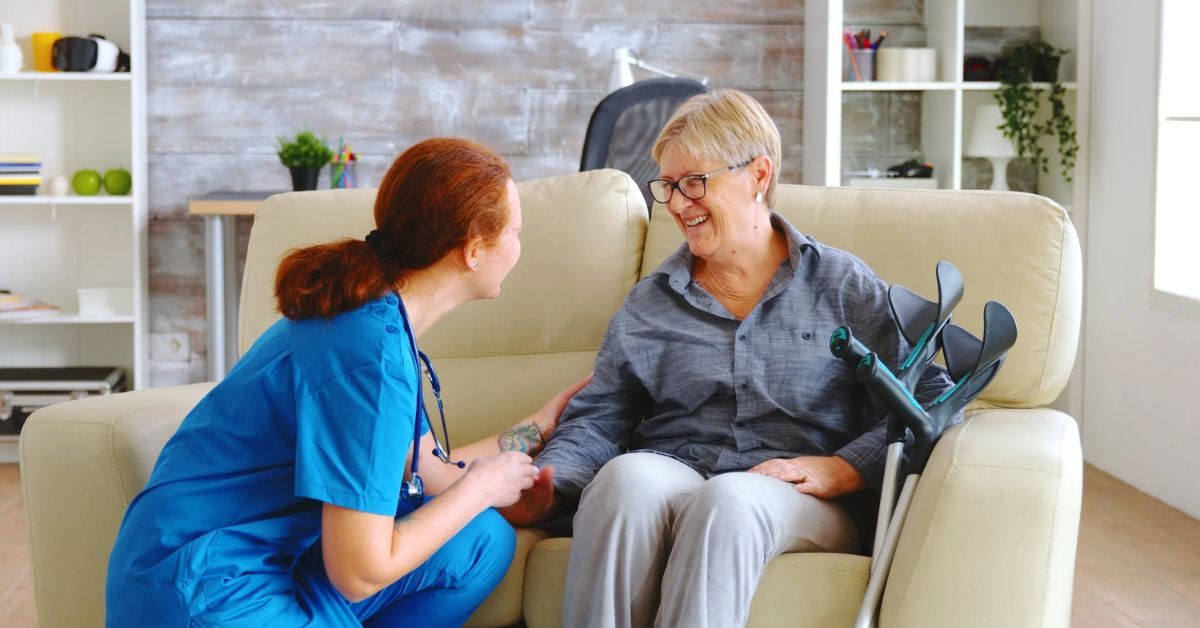
Some jobs focus on short visits to private homes. Caregivers assist clients with daily living tasks, light cleaning, and sometimes meal preparation. The role requires flexibility and a gentle approach.
Hospitals and Medical Settings
Certain hospitals hire caregivers to work alongside nurses, supporting long-term patients or those with limited mobility. Duties tend to be more medically oriented yet still anchored in compassion.
Requirements for Foreigners Seeking Caregiver Jobs in Japan
Relevant Training and Certification
The Japanese government has clear requirements for non-Japanese caregivers. Most applicants need formal training and may be asked to complete caregiving courses recognized by Japan’s Ministry of Health, Labour and Welfare. These programs often focus on practical skills, communication, and cultural sensitivity.
Work Visa Eligibility
Obtaining a work visa is crucial. The “Specified Skilled Worker (SSW)” or the “Nursing Care” visa are popular options. Meeting language proficiency standards, such as N3 level on the Japanese Language Proficiency Test (JLPT), can improve chances of acceptance.
Language Proficiency
Caregiver roles require good communication. While fluency in Japanese is preferred, some employers assist with language training. Being able to talk with clients and understand subtle cues is vital for success in this field.
Salary, Benefits, and Working Conditions
Average Salary Range
Caregiver salaries vary, but generally start from 180,000 to 250,000 yen per month for entry-level roles. Experienced and certified staff may earn more, especially in larger cities or specialized positions.
Additional Perks and Benefits
Some employers offer subsidized housing, transportation allowances, and contract bonuses. Access to healthcare and paid leave is usually standard, particularly for full-time roles. Details can differ by employer and location.
Typical Work Hours
Caregivers might work shifts covering days, nights, or weekends. Flexibility is often needed. Overtime or split shifts may sometimes occur, though this depends on the facility’s policies and the level of staffing available.
Career Pathways and Advancement Opportunities
Caregiver roles in Japan can serve as the starting point for a long and rewarding career. After gaining experience, some workers move into supervisory or training positions. There’s also demand for bilingual staff able to support both foreign workers and Japanese clients.
Professional certification and ongoing education open even more doors. Some caregivers opt to study nursing in Japan, which unlocks higher salaries and greater responsibility within healthcare teams. However, the journey isn’t always linear, and some may decide to settle into a regular caregiving role, finding satisfaction in the daily personal connections.
How to Find Caregiver Jobs in Japan
Popular Recruitment Platforms
Several job sites and international recruitment agencies help connect candidates to employers in Japan. Leading resources include Japan Career and major job boards for foreign workers.
Using Specialized Agencies
Some agencies focus exclusively on healthcare placements, guiding applicants through paperwork, training, and visa procedures. They sometimes arrange interviews even before arrival in Japan.
Direct Applications
Applying directly to care facilities is also possible, though this route generally requires advanced Japanese skills. Networking and recommendations from existing staff are helpful but not always easy to come by for newcomers.
Key Skills and Qualities for Success
Compassion and Patience
Many caregivers note that patience is just as crucial as technical skill. Understanding each client’s personality, habits, and preferences makes a tangible difference in their daily comfort. Emotional intelligence helps too, in moments where things do not go as planned.
Physical Strength and Stamina
Moving, lifting, and supporting those with mobility issues is part of the job. Fitness and good health really matter, particularly during busier shifts or when clients have higher needs. Balance between caring for others and personal well-being shouldn’t be overlooked.
Cultural Awareness
Respect for Japanese customs and etiquette is expected. Even those with international experience may need to adjust to local ways. Learning small courtesies, such as polite introductions and careful listening, often leads to better relationships with colleagues and clients.
Legal and Workplace Considerations
Laws on Worker Protection
Japanese labor regulations protect employee rights related to overtime pay, workplace safety, and fair treatment. Knowing these rights helps avoid misunderstandings and supports long-term job satisfaction.
Tax Responsibilities
Foreign workers are generally subject to taxes in Japan. Most employers withhold these automatically. It’s wise to keep personal records and learn the basics of the Japanese tax system to avoid surprises later on.
Support Systems
Professional associations and support groups exist for foreign caregivers in Japan, offering networking, legal advice, and emotional support. Resources like city-run multicultural centers often provide additional help adjusting to life in Japan.
Powerful Conclusion – Building a Fulfilling Career in Caregiving
Pursuing a caregiver job in Japan presents a unique mix of challenges and rewards. For many, it’s far more than just employment—it becomes a journey of cultural learning, skill growth, and personal development.
The field remains open to dedicated, compassionate individuals willing to learn and adapt. While it can be demanding, success is often found in the genuine human connections formed along the way.
Some days may be tough, but for those drawn to service and empathy, caregiving in Japan can offer a deeply satisfying and sustainable career.