
Traveling around Japan presents some unique challenges if you’re unfamiliar with the local transit or payment systems. The Pasmo Card is designed to address both, serving as a reloadable smart card for trains, buses, and even cashless purchases across many stores and vending machines.
This article explores how Pasmo cards provide a stress-free, efficient way to manage transportation and everyday spending in Japan. Who benefits most from a Pasmo Card? Basically, anyone visiting, living, or working in Japan who wants quicker travels and fewer payment hassles.



Whether you’re a tourist or a commuter, using a Pasmo Card eliminates the need to fumble for coins or interpret complicated fare charts. Plus, there’s growing support for contactless payments thanks to cards like Pasmo, making the adjustment smoother for those new to Japan.
What Is a Pasmo Card?
A Pasmo Card is a contactless IC card. That just means it uses wireless technology for quick payments. First introduced in 2007 for the Tokyo metropolitan area, Pasmo has since expanded in scope and compatibility.
It looks like a credit card, though it’s not linked to a bank account. Instead, you preload money onto it and tap to pay for transit services as well as at various merchants.
Why Pasmo Card Makes Japanese Travel Easier
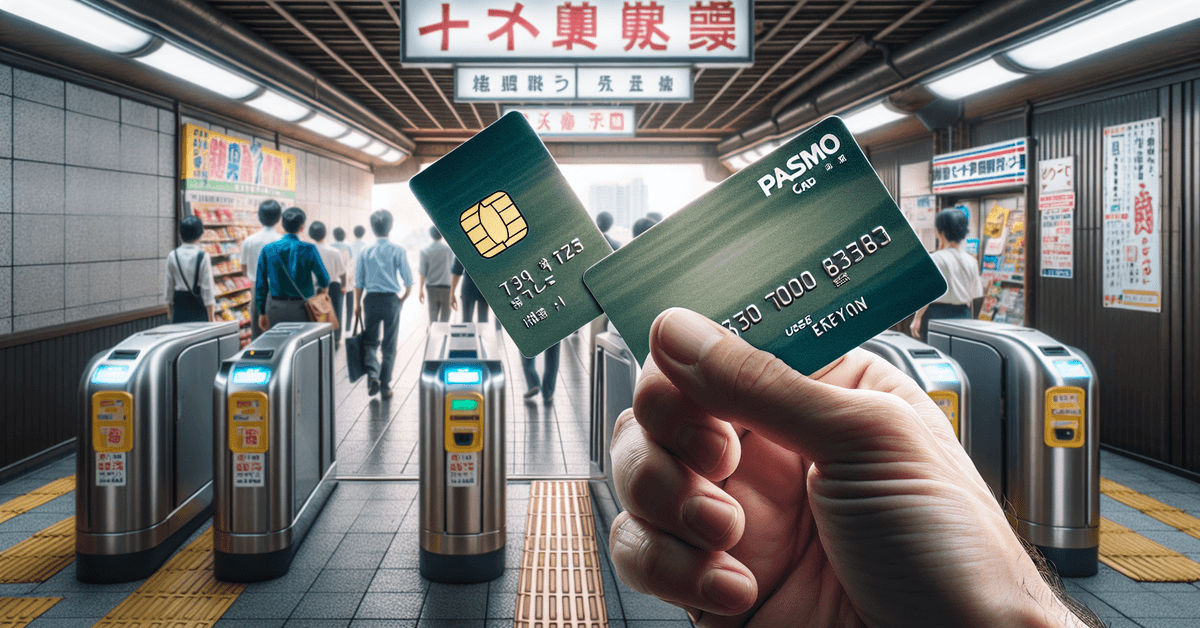
With Pasmo, you gain access to nearly all local trains (including JR East and Tokyo Metro lines), city buses, airport lines, and some private railways throughout Japan’s largest urban areas.
It’s valid in cities beyond Tokyo, too, like Yokohama and Saitama. Many travelers find not needing a new ticket for every journey is a real time saver.
Support for Daily Purchases
In addition to train and bus fares, Pasmo can be used for payments at convenience stores, some fast-food chains, coin lockers, and vending machines. You may notice many cashiers in Japan display the Pasmo logo alongside other e-money services.
This flexibility appeals to travelers wanting a single solution for small daily expenses.
Simple Top-Up and No Expiry
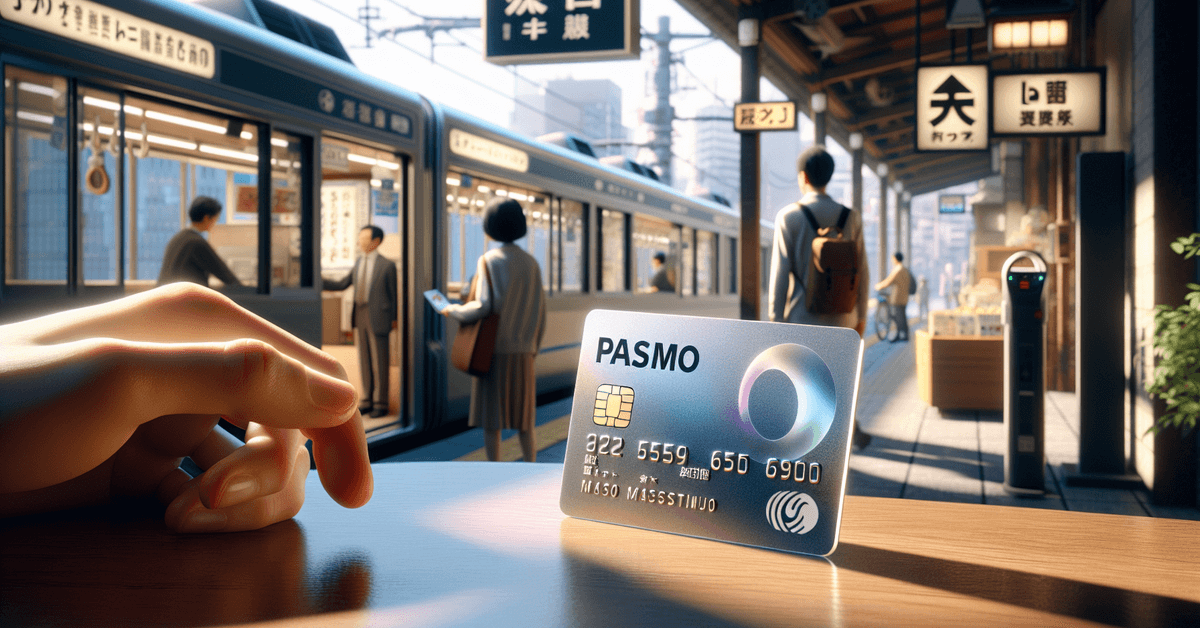
Refilling your Pasmo Card is straightforward. Reloading machines are found in all major stations. Cards don’t expire for ten years after the last use, so occasional visitors appreciate being able to keep and reuse the card for future trips.
Interoperability With Other IC Cards
Pasmo is compatible with other regional cards like Suica, Icoca, and Kitaca. This means you don’t have to worry about switching cards when you visit cities like Osaka or Sapporo. The system is nearly seamless across much of Japan.
How to Get and Use a Pasmo Card
Where to Buy
- Major train stations in Tokyo and neighboring regions
- Airports such as Narita and Haneda
- Designated kiosks and ticket counters
It’s possible to request an anonymous card or register a card in your name for balance protection if it's lost.
Initial Deposit and Cost
A new Pasmo Card requires a deposit (usually 500 yen) plus the amount of credit you wish to preload. This deposit is refundable if you return the card, but fees might apply depending on usage and card type.
Topping Up and Checking Balance
Top-ups can be made at station machines, some convenience stores, or even through mobile apps (if you have a compatible Japanese phone). The process is usually in both English and Japanese, though sometimes the steps can feel counterintuitive at first.
Using Your Card for Transit
Simply tap the card on the ticket gate sensor when you enter and exit. The correct fare is automatically calculated and deducted. If the balance is too low, the gate stays closed and you’ll need to top up before going through.
Pasmo for Payments: Where It Works
Pasmo Cards are accepted at a growing list of locations. Some key examples include:
- Convenience stores (e.g., 7-Eleven, Lawson, FamilyMart)
- Supermarkets and restaurants
- Vending machines and coin lockers
- Buses, subway trains, and some airport lines
- Some tourist attractions and museums
Compare: Pasmo vs. Suica Card
For most travelers, the difference is minor. The decision often comes down to which station you buy from first or which design you like. Occasionally, a retailer or service will only accept one or the other, but this is increasingly rare.
| Feature | Pasmo | Suica |
|---|---|---|
| Issued by | Private Railways, Tokyo Metro, Toei | JR East |
| Where to buy | Tokyo stations, airports | JR East stations |
| Coverage | Nationwide with interoperability | Nationwide with interoperability |
| Tourist options | Yes (Pasmo Passport) | Yes (Welcome Suica) |
| Refundability | Deposit refundable with card return | Deposit refundable with card return |
Special Types of Pasmo Cards
Aimed at tourists, the Pasmo Passport works similarly to the regular version but features limited validity (28 days) and is non-refundable. It might come with discounts for partner attractions, which is handy for short-term visitors.
Registered vs. Unregistered
While you can buy a card anonymously, registering your card links it to your identity. If your card is lost or stolen, customer service may help recover your remaining balance. This added security is typically suggested for long-term residents.
Pasmo Card: Practical Tips and Considerations
Keep your Pasmo Card handy and away from metal objects or wallets packed with other cards; sometimes, card readers can get confused.
- Check your balance regularly to avoid accidental gate lockouts or transaction declines—especially before long journeys or shopping trips.
- Some smaller or rural stations may not accept IC cards yet. It’s wise to carry spare cash, just in case.
- A card can be used for children at reduced fare rates if specifically issued for the purpose. Be sure to request the correct type for school-aged kids.
Legal and Privacy Aspects
Pasmo cards collect transit and transaction data. Registered cards in particular store information tied to an individual. This raises predictable privacy questions, but data is generally protected by Japanese law and is not shared with advertisers or used for targeted marketing, as far as public documentation shows.
Refunds and cancellations sometimes get tricky for foreign users, especially with unregistered cards. Brave travelers sometimes express uncertainty about which counter can help—rules may differ by region or card type, which can be frustrating.
I’ve heard of a few cases where deposit refunds took longer than expected, perhaps due to language barriers, but this doesn’t seem all too common. For peace of mind, hanging onto your purchase receipt can help when seeking a refund.
Related Resources and Where to Learn More
For travelers considering work or study in Japan, you might also find our student transport guide and cashless living in Japan posts useful.
Summary: Is the Pasmo Card Worth It?
Opting for a Pasmo Card often makes traveling and spending in Japan simpler, faster, and more enjoyable. The convenience, interoperability, and expanding payment options usually outweigh minor drawbacks, such as limited rural coverage or the need to monitor your balance.
Especially for visitors to Japan’s major cities, the time savings and flexibility add real value. With a little preparation, a Pasmo Card is likely to become one of those quietly indispensable tools during your stay.
Tip: Save your Pasmo Card for your next trip, or consider it a practical souvenir. Prepaid balance can remain for up to a decade between uses!
If you'd like to compare other cashless options or read personal experiences with Japan’s transit cards, explore our guide to Japan cashless payment solutionsguide .