
Logistics roles in Japan keep supply chains moving efficiently. These jobs have become more visible as e-commerce expands and consumer habits shift. For many, working in this sector offers dependable work and, sometimes, growth opportunities.
This article provides a practical look at warehouse and delivery positions in Japan. Anyone considering a role in logistics—perhaps local jobseekers or foreign residents—may find helpful insights here. Exploring these careers might highlight stable income and valuable on-the-job learning.


The Growing Demand for Logistics Jobs in Japan
Japan’s economy relies on fast, reliable transport of goods. Companies adjust business models, which often leads to more demand for people in logistics. Shoppers increasingly expect same-day or next-day delivery, which boosts hiring.
Large urban centers like Tokyo, Osaka, and Nagoya are logistics hotspots. Yet, smaller cities also represent active markets due to steady consumer demand. Restocking stores and delivering parcels all depend on dedicated teams behind the scenes.
Main Types of Logistics Roles – Warehousing and Delivery
In Japan, logistics positions generally fall into two main categories: warehouse roles and delivery jobs. Both offer a range of options depending on skill level and work preferences.
Warehouse Positions – Key Tasks and Environments
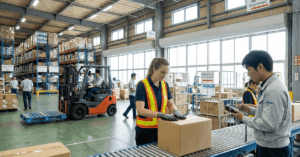
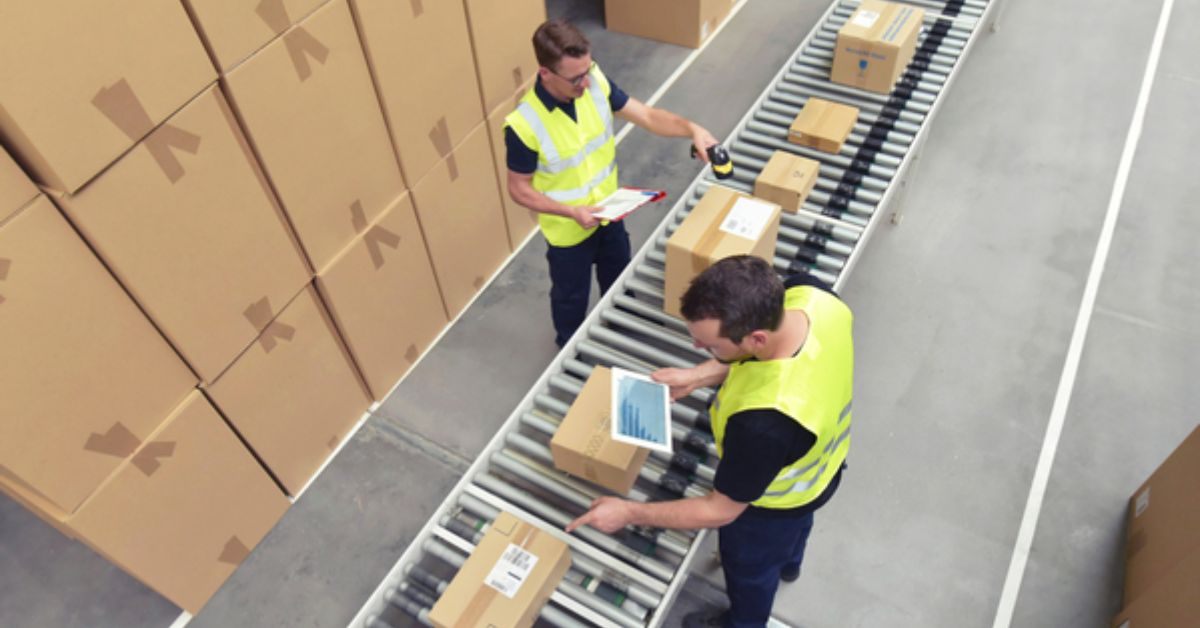
Warehouses operate around the clock to manage stock. Tasks often involve receiving shipments, inspecting items, sorting, and packaging. Workers might use equipment or automated systems, depending on the employer.
The work environment can be physically active. Some roles require repetitive movement or handling goods of varying size. Safety protocols are usually strict, with regular training sessions provided.
Delivery Jobs – Parcel, Freight, and Express Services
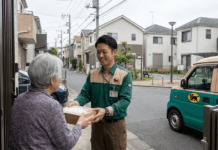
Delivery drivers handle parcels, commercial goods, and sometimes specialty items. Certain employers use vans, small trucks, or even bicycles, particularly in crowded city areas. Customer interaction is often required.
Schedules range from early morning to late evening. Some delivery services offer flexible shift structures. The opportunity to work independently might attract some people to this branch of logistics.
Requirements and Qualifications for Logistics Careers
Roles in logistics don’t always demand advanced degrees. Basic requirements typically include physical fitness, punctuality, and attention to detail. For warehouse work, Japanese language skills help but aren’t always strictly enforced for every opening.
Delivery jobs, on the other hand, almost always require a valid driver’s license. Employers sometimes seek candidates with a clean driving record and familiarity with local routes. Companies may provide navigation tools and training.
Work visa requirements for non-Japanese citizens apply as usual. Those interested might find the official guide at Immigration Services Agency of Japan informative and up to date.
Average Pay and Benefits of Japanese Logistics Jobs
Warehouse workers’ pay generally starts a little above minimum wage. Some roles, especially those involving heavy or hazardous materials, provide incremental wage increases or shift allowances. Full-time, direct-hire positions usually offer better benefits.
Delivery jobs might pay per hour or per route, depending on the employer. Some larger companies add bonuses or incentive schemes for high performers. Social insurance and paid leave are standard for eligible employees.
Top Logistics Companies and Job Platforms in Japan
The biggest logistics names in Japan include Yamato Transport, Sagawa Express, and Japan Post. These companies consistently recruit for warehouse and delivery roles year-round. Opportunities can also arise in smaller, local firms or international logistics giants based in Japan.
Job seekers often start with general job search sites such as “Daijob” or “GaijinPot Jobs.” Detailed listings for logistics roles are featured across these platforms, where candidates can filter by location or contract type.
Official company careers pages are another reliable option. Visit Yamato Transport’s recruiting portal for a current overview of their openings.
Challenges and Realities – Is Logistics Work Right for You?
Not everyone may find logistics jobs suitable, to be honest. The daily routines can sometimes feel repetitive or physically demanding. Peak seasons, like holidays, might mean overtime or quickly changing shifts.
Language barriers can also create complications. However, in workplaces with many foreign staff, managers might offer more multilingual support or visual instructions. It’s not unusual to learn on the job rather than during onboarding.
Despite these hurdles, many people report finding satisfaction in teamwork and task completion. The sense of accomplishment from handling high volume or urgent deliveries can be surprisingly motivating, at least on most days.
Legal Requirements and Tax Considerations
Employment law in Japan applies uniformly to logistics staff. Workers—regardless of nationality—are entitled to labor protections such as rest periods, overtime limits, and workplace safety standards.
Individual taxes depend on employment type. Full-time staff usually have taxes withheld by their employer. “Arubaito” (part-time) and gig workers may need to submit tax declarations independently if earnings cross set thresholds.
Seeking guidance from local city halls or certified social insurance consultants is a frequent recommendation, especially for those who are new to Japan’s tax rules.
Tips for Building a Stable Career in Japanese Logistics
For those considering a longer stay in the industry, small steps can build good prospects. Showing punctuality and attention to detail is valued in most employers’ eyes. That’s been true in my brief warehouse stint years ago; it left a lasting impression.
Some workers move up to supervisory positions after enough experience or training. Companies may even offer support with obtaining forklift licenses or other certifications. Job rotation is sometimes available in larger organizations, broadening skillsets over time.
Conclusion: Logistics Jobs in Japan – Is This the Right Path?
Logistics jobs in Japan provide steady work and a chance to join a system vital to daily life.
While not without challenges, the practical rewards—stable pay, predictable hours, and skill development—can outweigh the tough days. For anyone interested in hands-on, essential work, logistics might be a surprisingly resilient career choice.