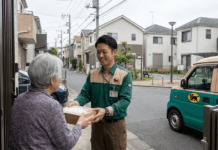

The surge in online shopping and food delivery has opened a variety of delivery driver jobs in Japan . For many, these roles offer flexible schedules and stable income options.
If you’re considering ways to balance work and personal commitments, or perhaps you’re new to Japan’s job market, this field might hold appealing opportunities.



This article will explore the landscape of delivery driving in Japan. Designed for residents, foreign workers, and students, the guide delves into requirements, benefits, platforms, and practical tips.
Readers interested in choosing their own hours, earning supplementary income, or discovering a reliable main job can find the insights below highly relevant.
Why Explore Delivery Driver Opportunities in Japan?
Japan’s strong delivery sector touches all major cities and smaller towns as well. With e-commerce and food platforms booming, demand rarely seems to wane.
Notably, flexible gig jobs have gained favor, especially among students and freelancers seeking adaptable routines.
Ever-Present Demand in Urban Areas
Major cities like Tokyo, Osaka, and Nagoya continuously require new drivers. The dense population and culture of convenience shopping create ideal conditions for stable delivery work.
Extra shifts are usually available during weekends or special sales events.
Diverse Job Types Available
Opportunities span parcel couriers, food delivery, and same-day express services. Riders may deliver on scooters, bicycles, cars, or by foot, depending on platform and region. Such diversity makes this space inviting for newcomers with different skill sets.
Steady Earnings Potential
The typical pay structure combines a base rate and performance incentives. Earnings grow with the number of deliveries and favorable customer reviews. Some platforms may also offer seasonal bonuses for high performers, though this can vary over time.
Common Requirements for Delivery Drivers
Companies expect a mix of basic qualifications and documents. Requirements for delivery drivers in Japan usually include age minimums, a valid residency status, and knowledge of local routes. Having a working vehicle or bicycle is helpful for many jobs as well.
Eligibility and Legal Criteria
The minimum age for most delivery gigs is 18 years. Foreign nationals generally need valid working visas or student status, with some language proficiency for app and customer communication. Full compliance with road and safety rules is also essential.
Licenses and Vehicle Access
Motorized vehicle jobs require a Japanese or accepted international driver’s license. Opportunities that use bicycles or walking may loosen these restrictions. It’s important to have vehicle insurance and proof of ownership or permission if using a shared car or bike.
Top Platforms Offering Delivery Driver Jobs
Multiple dedicated platforms recruit and support delivery partners across Japan. Several global brands, as well as local companies, offer robust infrastructures, regular job openings, and efficient payment systems.
Uber Eats Japan
Uber Eats Japan is among the most recognized food delivery apps, connecting thousands of restaurants and customers.
The sign-up process usually includes an online form, a safety video, and ID checks before new drivers are activated. More about their requirements can be found on the Uber Eats website.
Yamato Transport (“Kuroneko”) and Sagawa Express
Parcel delivery companies such as Yamato and Sagawa regularly seek part-time drivers.
These companies often provide route training and sometimes company vehicles, depending on the contract. Seasonal demand peaks during holiday and shopping festival times.
Rakuten Delivery
Rakuten Delivery enables work with various restaurants and stores. The platform usually features flexible scheduling tools and competitive rates, making it a rising choice for those preferring diversified routes or working multiple roles.
Other Local Platforms
Additional options exist for specialized services or smaller cities, such as Demae-can or Menu . Interested drivers should research availability in their own area as some chains cater to specific regions or customer needs.
Benefits of Flexible Schedule Delivery Work
One of delivery driving’s main attractions is its adaptability. Workers can adjust their hours based on personal objectives, making it feasible for students, parents, and freelancers alike to manage both life and work with less stress.
Choose Your Own Hours
Many platforms allow drivers to select shifts either through in-app choice or flexible booking windows. Some jobs offer instant start and end times, while others follow more structured scheduling. The “as-you-go” nature provides a degree of autonomy rare in traditional employment.
Supplemental or Full-Time Incomes
Depending on commitment, delivery jobs can supplement existing earnings or serve as a main source of income. Some drivers work part-time for extra spending, while others take on multiple platforms to maximize monthly pay.
No Fixed Office Commitments
Most delivery jobs require no reporting to a central office or manager. This independence appeals strongly to those prioritizing mobility, or individuals who simply feel more productive on their own schedule.

How to Apply For Delivery Driver Jobs in Japan
The application process is typically online, varying by company. Some platforms conduct brief video tutorials and online safety training before granting new drivers access to orders. Essential documents are required up front.
Key Application Steps
- Visit the platform’s official recruitment section (such as Uber Eats Japan).
- Fill in personal information and, if required, upload identification documents (passport, residence card, driver’s license).
- Attend a virtual orientation or complete online training, depending on platform.
- Confirm payment methods and access to any delivery equipment or vehicles as needed.
Typical Documents Needed
- Government-issued photo ID
- Resident or work permit (for non-citizens)
- Japanese or recognized international driver’s license (if applicable)
- Details related to payment accounts
Tips for Building a Successful Delivery Routine
While flexibility stands out, building a routine can help maximize earnings. Many drivers suggest identifying local “hot spots” and peak delivery times to boost daily income and minimize downtime.
Learn Your City’s Delivery Patterns
Regular drivers often discover that certain districts, such as business or shopping zones, get more orders at lunch and dinner. Others may find residential neighborhoods busier during weekends. Using the app’s delivery heatmaps can offer valuable insights.
Keep Customer Service in Mind
Strong reviews typically lead to better earnings. Small gestures, timely communication, and careful handling of orders influence ratings and repeat requests from customers within the platform’s system.
Care for Your Equipment
Maintaining your vehicle, bicycle, or gear pays off. Regular checks prevent breakdowns at peak times. Some drivers keep spare phone chargers or insulated bags for better efficiency during busy hours.
Legal, Insurance, and Tax Considerations
All workers in Japan, including part-time couriers, must adhere to certain legal and tax requirements. Insurance for vehicles, liability issues, and prompt tax filing are vital. Overlooking these may lead to administrative or financial complications.
Road Laws and Safety Protocols
Japan enforces road regulations strictly. Motor vehicle drivers must follow speed limits, helmet laws, and parking restrictions. Cyclists should understand shared street rules and always use proper safety equipment, especially after sunset.
Income and Local Taxes
Freelancers, including gig workers, need to declare their earnings for local and national tax purposes. Accurate records ensure trouble-free reporting at year’s end. Detailed tax information is offered on Japan’s National Tax Agency website.
Work Insurance and On-the-Job Coverage
Some companies provide limited insurance, but personal plans may be required. It’s wise to check what the platform covers in case of accidents or personal injury during deliveries, as policies and coverage limits can differ.
Conclusion: Finding Balance and Benefits in Japan's Delivery Driver Sector
Delivery driver jobs in Japan combine flexibility, decent earning potential, and room for personal control. For many, they present a practical way to structure work around life events, family obligations, or even language development while living in the country.
The variety of platforms and adaptable schedules means that just about anyone—resident or visitor—could discover a suitable role. Still, careful attention to legal rules and local nuances is always important for both financial and personal peace of mind.
As the popularity of gig work continues to rise, there’s little doubt these roles will remain in demand. For those seeking adaptable, practical employment, few opportunities compare to the growing delivery driver market in Japan.