
Thinking about an Aiful personal loan in Japan? The approval speed gets all the attention. But the rate you'll land on tells a bigger story.
Borrowing as a foreign resident in Japan feels like decoding a second language on top of the one already giving trouble. Aiful personal loans pop up in every search, and for good reason.
The company is old, the application is fast, and the marketing makes everything look painless. Still, a few details buried in the fine print can turn a small loan into a surprisingly expensive decision.
This guide is for expats and residents who want to borrow smart, not just borrow fast, through Aiful in 2026.
Aiful Personal Loan Eligibility in Japan
Getting approved for an Aiful personal loan depends on more than a steady paycheck. The eligibility criteria look simple on paper but create real friction points for certain applicants, especially those newer to Japan.
Age and Residency Requirements
Applicants need to be at least 20 years old and under 70 by the end of the repayment period. A valid Japanese address and government-issued ID are non-negotiable.
Foreign nationals need a residence card (zairyu card), and Aiful typically looks for a longer period of stay. Short-term visa holders are almost always filtered out before screening even begins.
Income Verification and the One-Third Rule
A steady income is required: employed, self-employed, or even part-time workers can apply. But here is the part that catches people off guard.
Japan's Money Lending Business Act (Kashikingyo Ho) caps total consumer borrowing at one-third of annual income. That cap applies across all consumer lenders combined, not per lender.
So if someone already has a small balance with Promise or another company, the remaining borrowing capacity at Aiful shrinks accordingly.
Aiful must verify income and can legally refuse any application that would push the total above that one-third threshold.
Credit History Checks
Aiful checks credit records through Japan's credit information agencies. A clean borrowing history helps.
Missed payments on phone contracts, previous consumer loans, or even some utility arrangements can drag down the result.
First-time borrowers in Japan face a different challenge: zero credit history. That blank slate sometimes triggers extra document requests or lower initial limits.
Aiful Interest Rates and the Small Borrower Problem
Interest rate discussions about Aiful always mention the 3.0% to 18.0% range. That range is technically accurate but wildly misleading for the typical borrower.
How the Rate Band Works Against Small Loans
The 3.0% rate exists, but it is reserved for the largest loan amounts paired with the strongest credit profiles.
A first-time borrower requesting ¥300,000 or ¥500,000 will almost certainly land near the 18.0% ceiling. The rate drops as the loan amount increases and credit trust builds over time.
I think the standard advice to "just compare interest rates" misses the point entirely when it comes to Aiful and similar consumer lenders in Japan.
The 3.0% rate printed on their website is a ceiling aspiration, not a floor guarantee. A borrower taking ¥500,000 at 18.0% over 12 months pays roughly ¥50,000 in interest alone.
Comparing Aiful's 3% headline to a bank loan's 5% fixed rate creates a false picture, because the bank rate is the rate everyone gets, while Aiful's bottom rate is the rate almost nobody gets.
That insight rarely shows up in loan comparison articles. And it should.
Hidden Cost Multiplication Over Time
Calculating total repayment cost is where borrowers get surprised. A ¥1,000,000 loan at 18.0% over three years means paying back roughly ¥1,300,000 or more. Longer terms reduce monthly payments but inflate the total bill.
Late payment fees stack on top. Many borrowers fixate on the monthly number and forget the overall cost until repayment is well underway.
Aiful Loan Application Process Step by Step
The application process is simple in structure but inconsistent in speed. Aiful advertises same-day funding, and it does happen. But it does not happen for everyone.
The typical steps look like this:
- Complete the application online or at an Aiful branch location
- Submit identification documents and proof of income
- Wait for credit screening results (timeframes vary widely)
- Receive approval or rejection notification
- Finalize the loan contract and choose a disbursement method: bank transfer or ATM withdrawal
Foreign nationals should expect the screening to take longer. Extra document requests pop up frequently for non-Japanese applicants, and questions about visa status or employment stability can add days to the process.
Documents Foreign Residents Need
The document list for expat borrowers goes beyond what Japanese nationals submit. Expect to prepare the following:
- Residence card (zairyu card) showing valid status and remaining period of stay
- Proof of income: pay stubs, tax certificates (gensen choshu hyo), or business registration for self-employed applicants
- Japanese bank account details for fund transfer
- Phone number registered in Japan for identity verification contacts
Missing any single document typically stalls the entire application. Double-checking the list on Aiful's official website before submitting saves time.
Repayment Options and Penalties
Repayment flexibility sounds good in marketing copy. The practical experience depends on which channels are available and what the fine print says about timing.
Payment Channels Available
Aiful offers several repayment methods:
- Direct debit from a Japanese bank account (automatic monthly withdrawal)
- Cash payments at Aiful ATMs or partnered convenience store terminals
- Bank transfer or online payment in certain cases
Direct debit is the safest option for avoiding missed payments. ATM payments are convenient but easy to forget when life gets busy.
Early Repayment and Late Fees
Aiful generally allows early repayment without additional fees, which is a genuine advantage over some competitors. Paying off the balance ahead of schedule reduces total interest paid.
Late payments, on the other hand, trigger penalty charges and damage credit records stored in Japan's information agencies. Even a single late payment can limit future borrowing options across all consumer lenders.
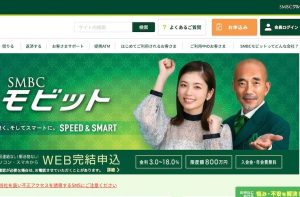
| Feature | Aiful | Promise | SMBC Mobit |
|---|---|---|---|
| Interest Rate Range | 3.0% - 18.0% | 4.5% - 17.8% | 3.0% - 18.0% |
| Early Repayment Fees | None | None | None |
| English Support | Limited | Limited | Limited |
| Same-Day Funding | Possible | Possible | Possible |
All three lenders cluster around the same rate band, and same-day funding depends on screening speed rather than company policy.
Is Aiful Safe and Regulated?
Aiful is a registered financial institution operating under supervision by Japan's Financial Services Agency (FSA).
The company has been in the consumer lending business for decades and is publicly traded. Regulatory oversight means lending practices follow legal standards, and borrowing terms must be disclosed before contract signing.
Where Complaints Come Up
Some borrowers report difficulty adjusting repayment terms mid-loan or reaching responsive customer support in English. These complaints tend to cluster around communication barriers rather than predatory practices.
For non-Japanese speakers, the experience can feel opaque when questions arise after the contract is signed.
The Japan Consumer Affairs Center handles disputes and can provide guidance if issues escalate. Keeping copies of all signed documents and payment receipts is a simple habit that protects borrowers if disagreements surface later.
Responsible Borrowing Under Japanese Law
Japan's lending regulations are strict by global standards.
The one-third income cap, mandatory income verification, and FSA oversight create a legal framework that protects borrowers from over-leveraging. But legal protection only works if borrowers read contracts carefully and calculate total costs before signing.
The law limits how much lenders can offer. It does not prevent borrowers from taking the maximum available and regretting it later.
Questions People Ask About Aiful Personal Loans in Japan
Q: Can a foreign student on a part-time visa borrow from Aiful?
Part-time workers can technically apply, but student visa holders face extra scrutiny. The income verification threshold and visa duration check often result in rejection or very low approved amounts for students working under the 28-hour weekly cap.
Q: Does Aiful report to all credit bureaus in Japan?
Aiful reports to Japan's designated credit information agencies, including JICC. Any late payment or default becomes visible to other lenders. Even phone contract companies and some landlords check these records during screening.
Q: What is the maximum amount Aiful will lend?
The legal cap is one-third of annual income across all consumer lenders combined. So a borrower earning ¥3,000,000 annually has a combined cap of ¥1,000,000 from all consumer finance companies. Aiful's internal limits may be lower depending on credit screening results.
Q: Is it better to apply at an Aiful branch or online?
Online applications are faster for Japanese-speaking applicants with standard documentation. Branch visits can be better for foreign residents who need to ask questions or clarify document requirements in person. Some branches have multilingual staff, but coverage varies by city.
Q: Can the interest rate change during the loan term?
Aiful personal loans typically carry fixed rates set at the time of contract. The rate assigned during screening stays constant through the repayment period, so the total cost is calculable from day one.
Conclusion
Aiful personal loans can fill short-term cash gaps for Japan residents who understand the true cost. The 18.0% rate hits small borrowers hardest, so calculating total repayment before signing matters more than approval speed.
Foreign residents should prepare extra documents and expect longer screening timelines than advertised. A quick loan is useful only when the math behind it makes sense.