
A school fee comes due two weeks early. A washing machine breaks on a Tuesday. Housewife loans in Japan start sounding reasonable at that exact moment.
The problem is that the lenders market easy approval to homemakers, but the fine print tells a different story. Borrowing as a housewife in Japan has specific traps that generic loan guides never mention.
I would argue that the spouse income rule matters more than any interest rate comparison. And almost nobody writing about housewife loans in Japan talks about it honestly.
This guide breaks the topic down for one specific reader: a homemaker in Japan with zero personal income who needs cash and does not want to make the situation worse.
What "Housewife Loan" Means in Practice
The term gets thrown around loosely, and that looseness creates confusion. No major Japanese bank has a product literally called a "housewife loan."
What exists instead are personal loans with relaxed eligibility criteria for non-working applicants, usually tied to a spouse's income documentation.

Some non-bank lenders and consumer finance companies market small loans to homemakers. But the product itself is often identical to a standard personal loan. The difference sits in the application paperwork, not the loan structure.
The Spouse Income Connection
Lenders almost always base eligibility on total household income, not the applicant's personal earnings. That means the spouse's salary, employment stability, and existing debts all feed into the approval decision.
A housewife applying alone, with no co-signer and no spousal income documentation, will hit a wall at nearly every regulated lender.
Some advertisements claim "no income proof needed." That language applies mainly to very small loan amounts from consumer finance companies.
Anything above ¥500,000 typically triggers income verification requirements, and that verification almost always involves the spouse.
Japan's One-Third Income Cap
Under Japan's Money Lending Business Act, consumer finance lenders cannot lend more than one-third of the borrower's annual income. For a homemaker with ¥0 in personal income, this cap creates a hard ceiling.
The workaround is to use the spouse's income as the basis, but that requires the spouse's consent and documentation. Banks are not bound by this specific rule, though they apply their own internal limits.
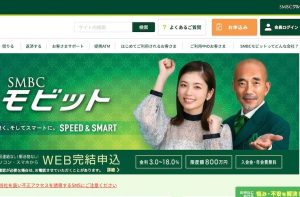
I think the one-third rule is the single biggest factor that shapes a homemaker's borrowing options, and it gets buried under marketing language about "easy applications" at lenders like Promise (SMBC Consumer Finance).
Types of Loans Available to Housewives in Japan
Each borrowing channel comes with trade-offs worth examining closely. The speed of approval, the interest rate, and the documentation burden all shift depending on which path a homemaker takes.
Bank Personal Loans
Banks like Mizuho and SMBC offer the lowest interest rates, often between 2% and 14% APR.
The catch is that applications move slowly and demand thorough documentation. A housewife typically needs her spouse to co-sign or act as guarantor. Larger sums mean more paperwork, longer wait times, and stricter credit history reviews.
Still, the rate difference compared to consumer finance is enormous. That gap alone makes banks worth the extra hassle for any loan above ¥300,000.
Consumer Finance Companies (Acom, Promise, JACCS)
Consumer finance companies like Acom and Promise handle approvals fast, sometimes within the same day. Online applications and phone-based processes make them the most accessible option.
But speed has a price. Interest rates at consumer finance companies sit near the legal maximum of 18% APR for loans under ¥1 million.
I would skip consumer finance as a first option for homemakers, because the convenience that makes these lenders attractive is the same feature that accelerates debt problems.
A ¥500,000 loan at 18% costs nearly ¥90,000 in interest per year. The same loan at a bank rate of 5% costs ¥25,000. That ¥65,000 difference matters when the household budget is already tight.
Credit Card Cash Advances
A credit card's cashing function or an overdraft on a household account can provide quick access to smaller amounts. Cards issued in a spouse's name sometimes allow the homemaker to withdraw cash separately.
The risk here is psychological. Casual access to credit card cash advances creates a habit loop. Annual interest rates on card advances often match or exceed consumer finance rates, and minimum payments barely touch the principal.
Peer-to-Peer Lending Platforms
P2P lending is small in Japan but growing. These platforms connect borrowers directly with individual investors.
Entry requirements can be looser than banks, though loan amounts tend to be capped lower. Each platform sets its own terms, so reading the full agreement matters more than usual.
| Loan Type | Typical APR | Approval Speed | Spouse Documentation |
|---|---|---|---|
| Bank personal loan | 2%–14% | 1–2 weeks | Usually required |
| Consumer finance | 15%–18% | Same day possible | Sometimes required |
| Credit card advance | 15%–18% | Immediate | Depends on card issuer |
| P2P lending | Varies by platform | Days to weeks | Platform-dependent |
The table shows why banks win on cost but lose on speed, and why consumer finance companies attract borrowers who later regret the rate.
Eligibility Requirements for Housewife Loans
Knowing what lenders check before they approve saves time and prevents wasted applications. The requirements look similar across lenders, but small differences trip people up.
A housewife applying for a loan in Japan should expect lenders to review the following:
- Resident status in Japan (permanent residency or valid visa)
- Proof of identity: My Number card, residence card, or driver's license
- Spouse's income certificate or recent pay slips
- Household registry (koseki tohon) or proof of marriage
- Credit history, including any late payments or existing debts
The credit history check catches applicants off guard. Even a missed phone bill payment from years ago can show up.
And if the household already carries consumer finance debt, new lenders may reduce the approved amount or reject the application entirely.
Red Flags and Scam Signals to Watch
Fast approval sounds appealing until the loan terms turn predatory. Some warning signs deserve specific attention:
- Lenders requesting upfront "processing" fees before any loan is issued
- Ads claiming "no screening" or "guaranteed approval regardless of credit"
- Pressure to sign immediately without time to read the full agreement
- Requests for unusual documents like bank PINs or login credentials
The Financial Services Agency of Japan (FSA) maintains a registry of licensed lenders. Any legitimate lender will appear in that registry. If a company cannot provide its FSA registration number, walk away.
Informal lending through community groups or women's associations does exist in some areas.
These arrangements can offer flexible terms, but they carry zero regulatory protection. If the relationship sours, there is no legal framework to fall back on.
The Hidden Cost of Borrowing Without a Spouse's Knowledge
Some lenders do not require spousal consent for smaller loans. That creates a tempting option for homemakers who want to handle a financial gap without a difficult conversation.
But small loans at 18% APR compound quickly. A ¥200,000 loan that gets rolled over or partially repaid can quietly grow into a ¥400,000 problem within two years.
The financial stress then becomes relationship stress.
I think the common advice to "borrow discreetly" is dangerous, specifically because consumer finance companies like Acom allow it so easily. Discretion feels like independence at the moment of borrowing. Six months later, it feels like a trap.
Safer Borrowing Strategies for Homemakers
Rushing into a loan because of a single unexpected expense rarely ends well. A few steps taken before signing any agreement can change the outcome entirely.
Planning the repayment schedule against actual household cash flow, not just monthly expenses, prevents late fees.
A spreadsheet comparing the total repayment cost across two or three lenders takes 30 minutes and can save tens of thousands of yen over the life of the loan.
Some alternatives to borrowing exist that homemakers overlook:
- Municipal welfare loans (seikatsu fukushi shikin): low-interest or interest-free, available through local social welfare councils
- Emergency school fee assistance programs offered by local education boards
- Household budgeting counseling through nonprofit organizations, free of charge
These options lack the instant gratification of a consumer finance approval. But they also lack the 18% interest rate.
Questions People Ask About Housewife Loans in Japan
Q: Can a housewife get a loan in Japan without her husband knowing?
Some consumer finance companies do not require spousal consent for loans under a certain amount. But the one-third income cap still applies. A homemaker with zero personal income may struggle to qualify alone, and hiding the debt creates risks that go beyond finances.
Q: What is the maximum amount a housewife can borrow in Japan?
The cap depends on the lender type. Consumer finance companies follow the one-third income rule, so the spouse's income sets the ceiling. Banks set their own limits based on internal assessments, and those limits vary widely between institutions.
Q: Are there government loans for housewives in Japan?
Direct government loans for homemakers are rare. But municipal welfare loan programs (seikatsu fukushi shikin) offer low-interest emergency funds through local social welfare councils. Eligibility depends on household income and the reason for borrowing.
Q: How long does it take to get approved for a housewife loan in Japan?
Consumer finance approvals can happen the same day. Bank loans typically take one to two weeks. P2P platforms fall somewhere between. Faster approval almost always means a higher interest rate.
Q: Is it safe to use online lenders for housewife loans in Japan?
Online lending is safe when the lender is registered with Japan's Financial Services Agency. Check the FSA registry before submitting any personal information. Unregistered online lenders are illegal, regardless of how professional the website looks.
Conclusion
Housewife loans in Japan exist, but the fine print matters more than the marketing language. Comparing APR, total repayment cost, and spousal documentation requirements separates a manageable loan from a financial headache.
Municipal welfare programs and budgeting counseling deserve a look before any commercial lender enters the picture. The smartest borrowing decision a homemaker can make might be the one she takes extra time on.