
Applying for a personal loan in Japan feels intimidating when the screening process is mostly invisible. And Aiful's loan screening adds an extra layer of mystery.
Foreign residents and recent arrivals often hit submit and then sit in anxious silence. The wait between application and result can feel like a black box.

Aiful runs one of the larger consumer finance operations in Japan, processing applications through a mix of automated and manual checks. The Aiful loan screening process follows a specific sequence that applicants rarely see explained clearly.
This breakdown covers each screening stage, the factors that carry real weight, and the mistakes that silently kill applications. Every detail comes from how the process runs in 2026.
How Aiful Loan Screening Works Step by Step
The screening process at Aiful moves through distinct phases, each filtering applicants on different criteria.
Knowing the sequence helps because the reason for a rejection often traces back to a specific stage, and fixing the right problem saves time on a second attempt.
The Automated First Pass
The initial review is automated. Aiful's system checks whether an applicant meets baseline requirements: age (minimum 20), residency status in Japan, and minimum income threshold.
If the basic criteria check out, the application advances. But inconsistencies at this stage, like a mismatched address or missing field, can flag the file for manual review. That flag alone adds hours or even a full day to the timeline.
I would focus less on perfecting my credit profile and more on getting the initial form airtight, because Aiful's automated system catches formatting errors and data mismatches before a human ever sees the file.
A clean application moves through the automated gate in minutes. A messy one gets parked.
Credit Bureau Checks and Repayment Patterns
After clearing the automated gate, Aiful pulls a report from Japan's credit bureaus. The bureaus track borrowing history, repayment behavior, and the number of recent credit inquiries.
A clean repayment record helps. But a single late payment or one denied application does not automatically end the process. Aiful looks at patterns over time rather than isolated marks on a report.
Several recent loan applications clustered together, though, can trigger caution. The system reads that pattern as desperation, even if each individual application had a reasonable explanation.
This distinction matters because the common advice says "don't apply until your credit is spotless." I think that advice costs people months of waiting when Aiful's screening at the credit bureau stage weighs repayment consistency more than a perfect record.
One late payment from 2024 carries less weight than three new credit inquiries from last month.
What Aiful Weighs Heaviest in a Loan Decision
Not every part of the application carries equal weight. Some sections are formalities. Others can make or break the entire screening result, and they are not the sections applicants typically worry about.
Debt-to-Income Ratio and Existing Loans
The loan-to-income ratio is a quiet filter that catches a lot of applicants off guard.
Even a stable salary won't carry the application if existing obligations eat up too much of the monthly income. Aiful calculates total outstanding debt across all lenders, not just its own products.
Japanese lending regulations cap consumer borrowing at roughly one-third of annual income across all unsecured lenders.
So if an applicant earns ¥3,000,000 per year and already owes ¥900,000 elsewhere, the math doesn't leave room for a new Aiful loan regardless of repayment history.
That cap applies across lenders collectively, which surprises applicants who assume each lender evaluates them in isolation. Checking total outstanding debt before applying saves both time and a credit inquiry on the record.
Contact Verification: The Silent Dealbreaker
The part of the Aiful loan screening that trips up the most applicants has nothing to do with income or credit scores. It is contact verification.
Aiful needs to reach applicants by phone. If the number on the application is disconnected, goes to voicemail repeatedly, or doesn't match the name on file, the application stalls.
Some applicants also list a workplace number that rings a general reception desk where nobody can confirm their employment, which creates the same problem.
The verification call itself is brief. Aiful staff may confirm the applicant's workplace, home address, or intended loan purpose. Being available and answering directly moves the process forward faster than any other single action an applicant can take.
A useful precaution: let a workplace receptionist or colleague know that a brief verification call might come through.
Calls from financial institutions to Japanese workplaces are routine and carry no stigma, but an unanswered call can stall the entire review.
Employment and Income: Irregular Work Gets a Closer Look
Aiful does not automatically reject applicants with irregular employment like part-time jobs, contract work, or freelance income. But the screening treats these cases differently.
Salaried applicants with regular monthly deposits from a single employer move through employment verification quickly.
Freelancers and part-time workers need to provide stronger income documentation, and the amounts get scrutinized more closely. Students with part-time jobs can apply, but proof of stable, recurring income is what the screening looks for.
The required documents for an Aiful loan application include:
- Proof of identity: residence card, driver's license, or passport
- Proof of income: recent pay stubs, tax return, or withholding certificate
- Proof of address: utility bill or residence certificate matching the application address
- Residence card (for foreign nationals): must be valid and current
Each document needs to show matching names and addresses. One common mistake is submitting a pay stub with a previous address while the application lists a new one. That mismatch alone can trigger a delay or request for additional paperwork.
Aiful Loan Screening for Foreign Applicants in Japan
Foreign nationals face the same screening process, but a few additional factors come into play. None of them are automatic disqualifiers, though some add friction that Japanese nationals don't encounter.
Residency Length and Visa Type
Time spent living in Japan affects the screening outcome. A longer, traceable address history makes verification easier for Aiful's team. Applicants who have lived at the same address for over a year tend to clear this step faster than recent arrivals.
Visa type matters too. A long-term resident visa or work visa carries more weight than a short-term or tourist visa.
Aiful needs reasonable confidence that the borrower will remain in the country through the repayment period, and visa duration is the primary signal for that assessment.
Frequent moves within Japan raise questions during screening but don't disqualify an applicant outright. Having documentation ready that explains the moves (like a transfer letter from an employer) helps.
Document Mistakes That Cause Rejection
The top reasons foreign applicants face delays or rejection are document-related, not financial:
- Name spelled differently across documents (passport vs. residence card vs. bank statement)
- Blurry or cropped scans that cut off edges or stamps
- Address on the application not matching the residence card
- Submitting documents in a language other than Japanese without a certified translation
These errors look small but they each require Aiful to pause the review, request corrections, and restart verification. Every pause adds time and increases the chance of a negative outcome.
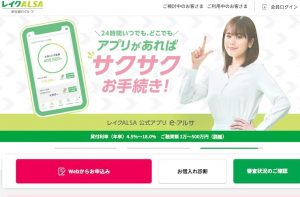
The Aiful official website lists current document requirements and has some English-language support, though most communication during screening happens in Japanese.
Having a Japanese-speaking friend or a translation app ready for phone calls is a practical step.
Aiful vs Promise vs SMBC Mobit: Screening Compared
Applicants in Japan often apply to multiple consumer lenders to compare terms. The screening processes across the three largest lenders share similarities but differ in speed and documentation strictness.
| Feature | Aiful | Promise | SMBC Mobit |
|---|---|---|---|
| Typical screening speed | Same day, often within hours | Same day | 1-2 business days |
| Foreign applicant acceptance | Accepted with valid residence card | Accepted | Varies by case |
| Common screening hurdle | Document mismatches | Strict ID verification | Employer verification calls |
| Minimum age | 20 | 20 | 20 |
| Digital application | Full online process | Full online process | Online with some in-branch steps |
Aiful tends to process applications faster than SMBC Mobit, which can be a deciding factor for applicants who need funds quickly. Promise matches Aiful on speed but tends to be stricter on identity document formatting.
I would pick Aiful over SMBC Mobit for a first-time consumer loan application in Japan specifically because of the same-day screening turnaround. Speed matters when the alternative is a 1-2 day wait that doubles anxiety and still might end in rejection.
Japan's Financial Services Agency publishes consumer lending regulations that apply to all three lenders, including the one-third income cap on unsecured borrowing. Checking those rules before applying gives a realistic picture of how much any lender can approve.
Questions People Ask About Aiful Loan Screening
Q: How long does Aiful loan screening take in 2026?
The screening typically finishes within the same business day, sometimes within a few hours. Delays happen when documents need correction or the verification call goes unanswered. Submitting clear documents and answering your phone speeds things up considerably.
Q: Can I reapply to Aiful after being rejected?
Reapplying is possible after some time has passed, especially if circumstances have changed. Fixing the specific issue that caused the rejection (like reducing existing debt or correcting document errors) gives a stronger second application. Waiting at least a few months between attempts avoids stacking credit inquiries.
Q: Does Aiful check my credit score if I just start the application?
Aiful runs a credit bureau check after the initial automated screening, not at the moment of form submission. But once the check runs, it appears as an inquiry on the credit report. Abandoned applications that already reached the credit check stage still leave a mark.
Q: Do I need to speak Japanese to get an Aiful loan?
Some English-language support exists on Aiful's website and app. But screening calls and follow-up communication typically happen in Japanese. Having a Japanese-speaking support person or a reliable translation tool ready makes the process smoother.
Q: Are Aiful loans available to students in Japan?
Students with part-time employment can apply, but stable recurring income is the deciding factor. The approved amount for a student will likely be lower than for a full-time employee, and income documentation needs to show consistent deposits over several months.
Conclusion
The Aiful loan screening process rewards preparation over perfection in credit history. Foreign applicants who match documents carefully and answer verification calls gain a real advantage.
Speed and transparency separate Aiful from slower competitors in Japan's consumer lending market. Checking your total debt-to-income position before applying is the single most useful step anyone can take.